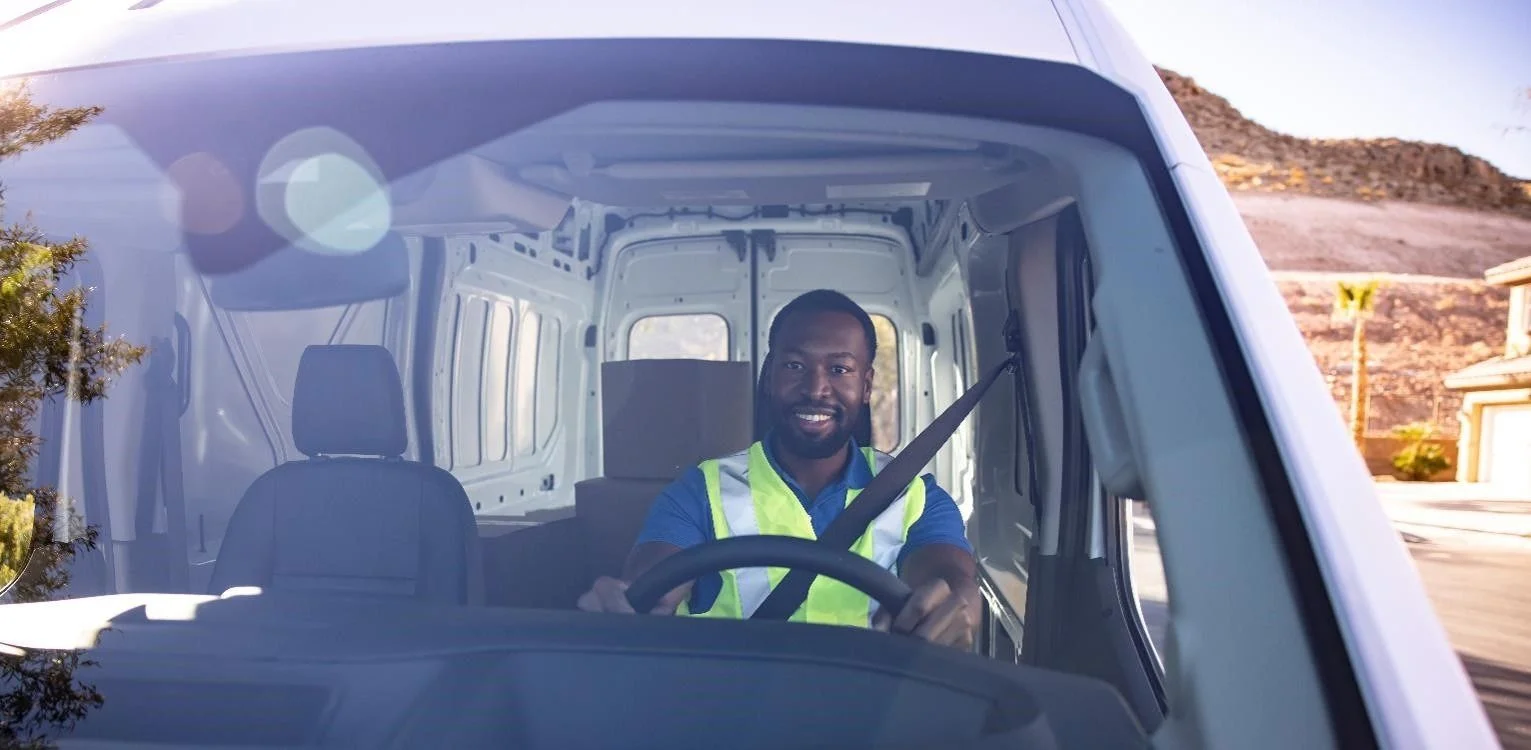
What Does an HGV Driver Do?
An HGV Driver transports goods using large commercial vehicles, usually between depots, distribution centres, warehouses, shops, construction sites, or customer locations. The job is about much more than driving from one place to another. Drivers must plan journeys, complete checks, handle paperwork, follow road regulations, and make sure loads are delivered safely, securely, and on time. This combination of practical driving and careful administration makes the role highly responsible.
Typical Responsibilities
Typical responsibilities include carrying out daily vehicle checks, reporting defects, planning safe routes, and keeping accurate delivery records. An HGV Driver may need to inspect tyres, lights, mirrors, brakes, load restraints, and fuel levels before leaving the depot. During the day, they must follow tachograph rules, take required breaks, and drive safely in changing weather and traffic conditions. Many roles also involve loading or unloading goods, securing cargo, speaking with customers, and collecting signed delivery notes. Good communication is important because delays, access issues, or damaged items often need to be reported quickly. The role requires a calm approach, strong attention to detail, and respect for safety procedures. Small mistakes can affect delivery times, customer service, vehicle condition, and legal compliance.
Types of Vehicles
HGV Drivers can work with several types of vehicle, depending on their licence category, employer, and sector. Some drive rigid lorries used for local deliveries, waste collection, food distribution, or building supplies. Others drive articulated lorries, often called artics, which are common in long-distance haulage and supermarket logistics. Specialist roles may involve tankers, refrigerated vehicles, car transporters, tippers, curtain-siders, or heavy plant transporters. Each vehicle type has different handling, loading, and safety requirements. For example, a refrigerated lorry may need temperature checks, while a tanker may require extra training. Understanding these differences helps Drivers choose work that suits their skills, lifestyle, and career goals. Choosing the right vehicle type can also influence pay, hours, training needs, and daily routine.