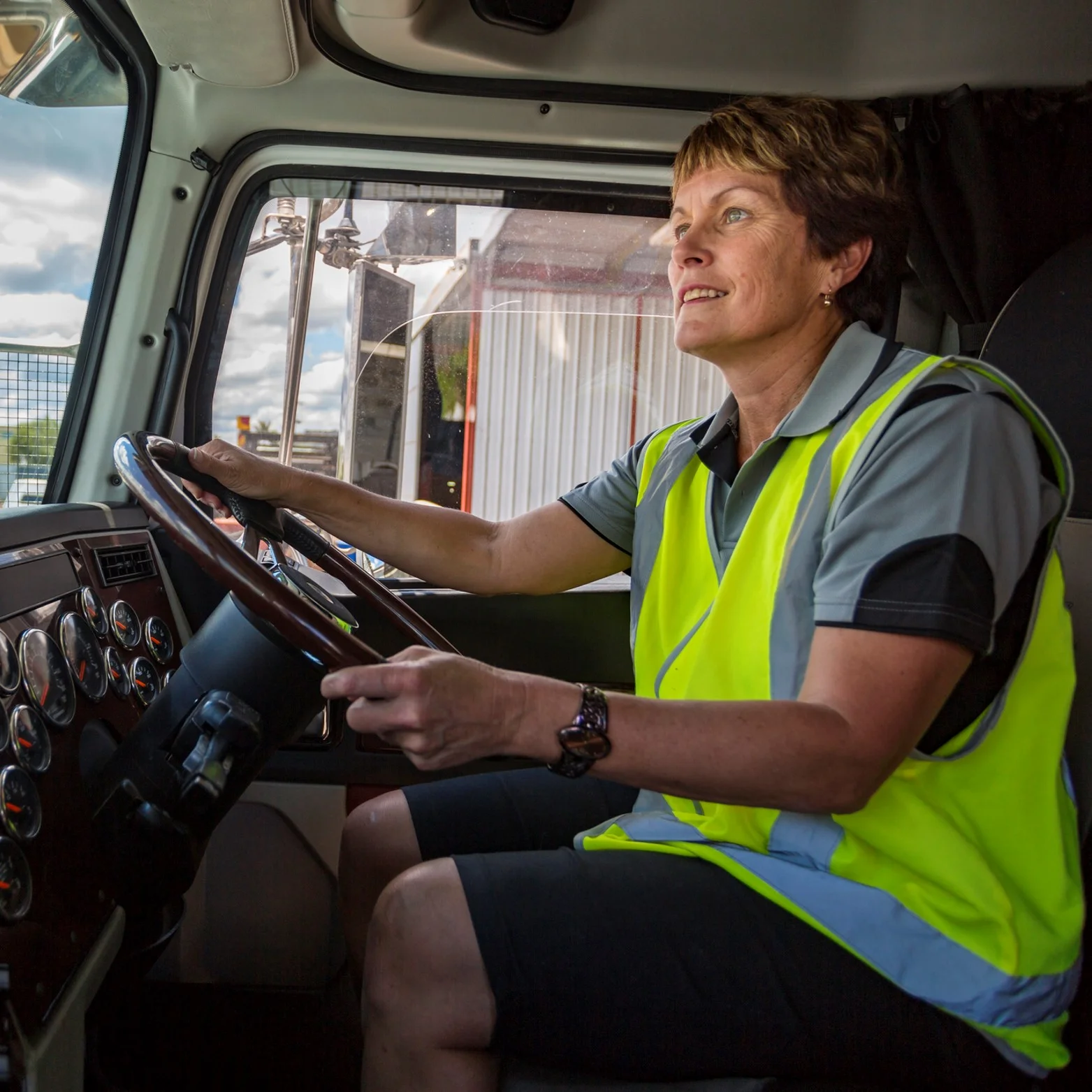

Dress code
Class 1 HGV drivers typically wear high-visibility clothing, steel-toed boots, and weather-appropriate attire. Safety gear is essential to ensure compliance with industry regulations.

Class 1 HGV drivers typically wear high-visibility clothing, steel-toed boots, and weather-appropriate attire. Safety gear is essential to ensure compliance with industry regulations.
Drivers must transport goods safely and efficiently, conduct vehicle checks, and comply with regulations, ensuring on-time delivery of goods without damage.
To be an effective Class 1 HGV driver, there are a few key things to bear in mind. Firstly, it’s essential to be familiar with all routes in advance of travelling, and efficient planning helps to minimise any delays and also helps with saving fuel. It’s also important to stay on top of safety protocols, to ensure that both you and your vehicle are in optimum condition. Taking regular breaks, maintaining a routine, and sticking to limits on legal driving hours are all essential for your health, while vehicles benefit from thorough checks before every journey.
Becoming a Class 1 HGV driver requires obtaining a provisional HGV licence, completing Driver CPC training, and passing a practical driving test to gain full licensure. Find out more about the different types of commercial driving licences.
The first step is to apply for a provisional HGV licence through the DVLA. Applicants must be at least 18 years old, hold a full UK car driving licence, and pass a medical examination. The provisional licence allows candidates to begin their training, enabling them to learn essential driving skills specific to large vehicles. This foundational step is crucial for building confidence and preparing for the challenges of professional driving.
Driver Certificate of Professional Competence (CPC) training is a mandatory requirement. It consists of a theory test, a case study assessment, and a practical demonstration of skills. The CPC ensures drivers are equipped with the knowledge to operate vehicles safely and efficiently while adhering to industry regulations. Completing this training also includes periodic reviews to maintain certification, keeping drivers up to date with the latest standards. Learn more about HGV Driver training.
After completing CPC training, candidates must pass the practical driving test for articulated vehicles. This test assesses the driver’s ability to manoeuvre safely, navigate challenging routes, and handle the vehicle under real-world conditions. Upon passing, drivers are awarded their full Class 1 HGV licence, opening up opportunities to professional roles.
HGV drivers require a mix of technical and interpersonal skills, including safe driving practices, time management, and strong route planning abilities.
Operating large vehicles demands excellent driving skills and a high level of road awareness. Drivers must be able to adapt to various weather and traffic conditions while ensuring the safety of their cargo and other road users. Maintaining focus over long journeys is critical, as is adhering to speed limits and legal requirements. Awareness of vehicle blind spots and anticipating the actions of other drivers are vital for avoiding accidents and ensuring smooth deliveries.
Efficient route planning is key to meeting delivery deadlines and minimising fuel consumption. Drivers should consider factors such as traffic patterns, roadworks, and weather conditions when mapping out journeys. Time management is equally important, as HGV drivers are required to adhere to strict legal limits on driving hours. Accurate planning helps ensure compliance while maintaining customer satisfaction through timely deliveries.
HGV drivers require a mix of technical and interpersonal skills, including safe driving practices, time management, and strong route planning abilities.
Operating large vehicles demands excellent driving skills and a high level of road awareness. Drivers must be able to adapt to various weather and traffic conditions while ensuring the safety of their cargo and other road users. Maintaining focus over long journeys is critical, as is adhering to speed limits and legal requirements. Awareness of vehicle blind spots and anticipating the actions of other drivers are vital for avoiding accidents and ensuring smooth deliveries.
Efficient route planning is key to meeting delivery deadlines and minimising fuel consumption. Drivers should consider factors such as traffic patterns, roadworks, and weather conditions when mapping out journeys. Time management is equally important, as HGV drivers are required to adhere to strict legal limits on driving hours. Accurate planning helps ensure compliance while maintaining customer satisfaction through timely deliveries.
For those seeking stability, permanent Class 1 HGV roles provide consistent schedules, competitive salaries, and additional benefits such as pensions and holiday allowances. Many companies offer career progression opportunities, enabling drivers to take on roles with increased responsibilities, such as logistics coordination or fleet management.
A Class 1 HGV driver operates articulated lorries, transporting goods across long distances and playing a vital role in the logistics and supply chain sectors.
While HGV driving itself isn’t overly strenuous, it involves long hours, occasional manual handling of goods, and maintaining focus during extended journeys, all of which can be challenging. Learn more about what it’s like to work as an HGV driver.
Class 1 HGV drivers typically earn £38,000-£50,000 annually, with higher earnings possible for experienced drivers or those working in specialised sectors.
Class 1 drivers operate articulated lorries suitable for long-haul transportation, while Class 2 drivers handle rigid vehicles, often used for shorter, local deliveries. Find out more about becoming a Class 2 HGV driver.
To obtain a Class 1 HGV licence, you’ll need to apply for a provisional HGV licence, complete CPC training, and pass a practical driving test.