Dress code
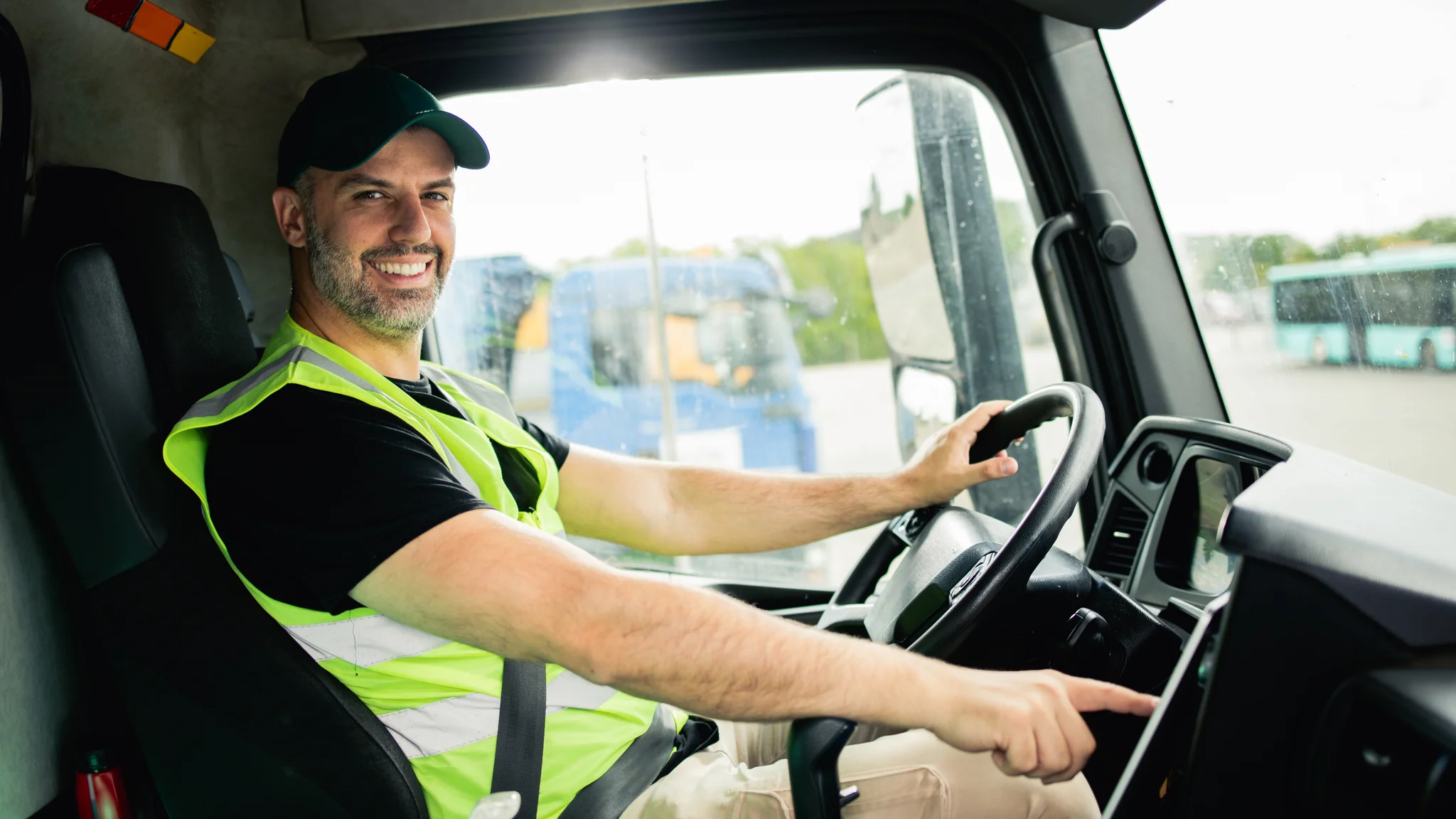
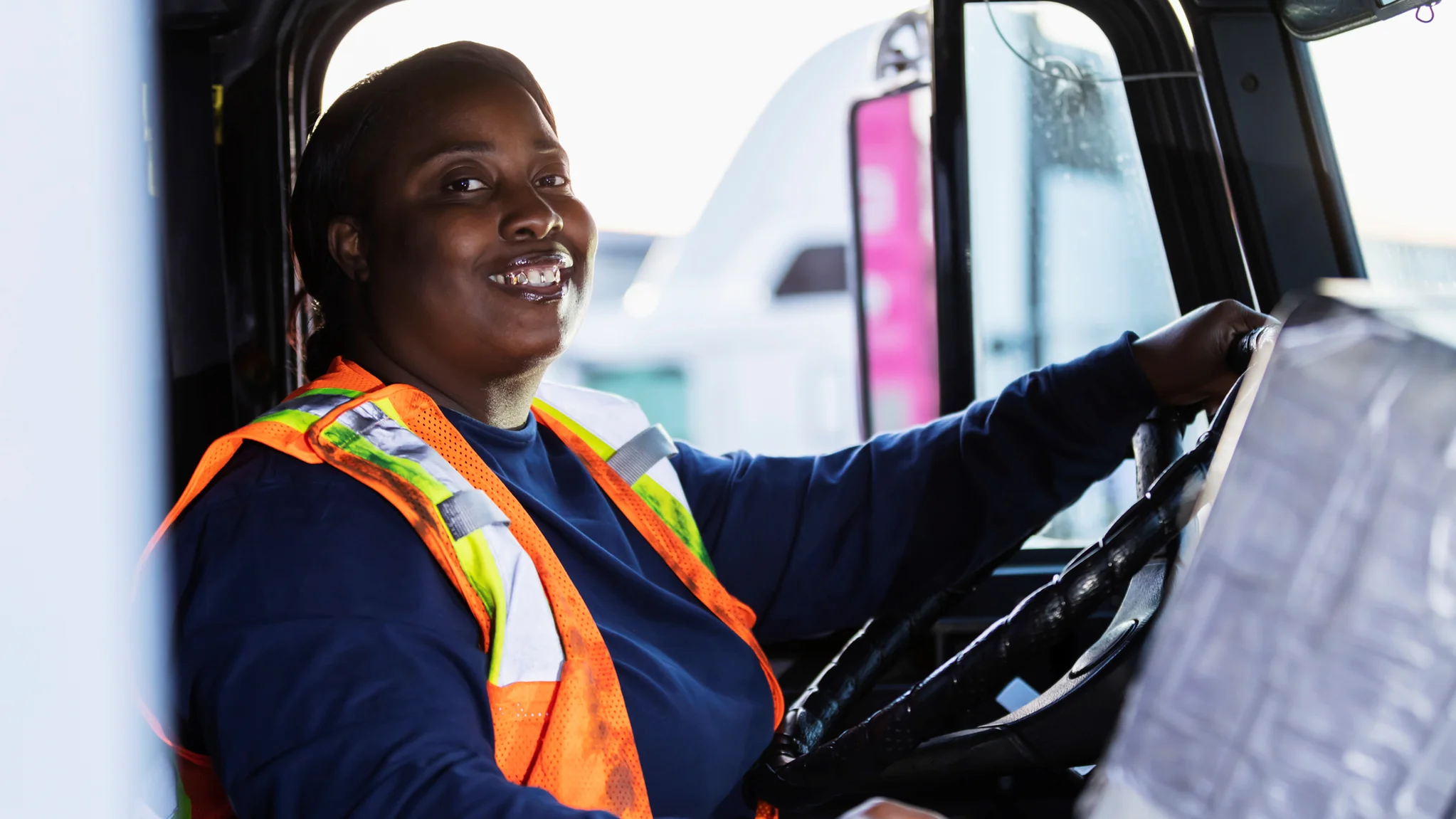
Class 2 HGV drivers are usually required to wear high-visibility vests, steel-capped boots, and weather-appropriate attire. Some roles may require uniforms that will be provided by employers.

Class 2 HGV drivers are usually required to wear high-visibility vests, steel-capped boots, and weather-appropriate attire. Some roles may require uniforms that will be provided by employers.
Responsibilities of Class 2 HGV drivers include transporting goods, ensuring cargo is secure, performing pre-journey safety checks, and adhering to road regulations to guarantee the speed and efficiency of deliveries.
There are a few tips to develop skills to effectively perform as a Class 2 HGV driver. Understanding how to plan routes to avoid delays and conserve fuel is important, while safety procedures such as ensuring that you take regular breaks to maintain focus during long shifts, and sticking to legal driving limits are crucial.
You should always conduct thorough vehicle inspections before trips to prevent any issues and enhance the reliability of your service, while effective communication with logistics teams helps streamline operations and maintain excellent service.
Becoming a Class 2 HGV driver involves obtaining a provisional licence, completing Driver CPC training, and passing a practical test for full qualification.
To start, you’ll need to apply for a provisional HGV licence via the DVLA. Applicants must hold a valid car licence, be at least 18 years old, and pass a medical assessment. This provisional licence allows candidates to begin training for rigid vehicles, preparing them for the challenges of driving professionally. The process includes gaining familiarity with vehicle controls and essential safety protocols.
Driver Certificate of Professional Competence (CPC) training is mandatory for all HGV drivers. The training consists of four parts: a theory test, case study, driving ability test, and a practical demonstration. The CPC ensures drivers meet industry standards for safety, vehicle operation, and professionalism. Regular CPC periodic training is required to maintain certification and stay up to date with regulations. Learn more about HGV Driver training.
After completing CPC training, candidates must pass a practical driving test that evaluates their ability to operate rigid vehicles safely. This includes manoeuvring, reversing, and handling various road conditions. Upon passing, drivers receive their full Class 2 HGV licence, opening doors to employment opportunities.
Success in this role requires excellent vehicle handling skills, time management, and a strong focus on safety and customer service.
Class 2 HGV drivers must demonstrate precision in manoeuvring rigid vehicles, particularly in urban or congested areas. Familiarity with safety protocols is crucial, including conducting pre-journey checks and maintaining the security of any cargo. Staying alert to road conditions and adapting to weather challenges ensures safe and efficient deliveries. Regularly checking the vehicle’s condition minimises risks and supports compliance with regulations.
Customer interactions are common for Class 2 HGV drivers, requiring a professional and courteous demeanour. Whether delivering directly to businesses or clients, clear communication and problem-solving skills help maintain positive relationships. Handling customer queries and ensuring satisfaction at the point of delivery enhance the company’s reputation and build trust in their services.
With experience, drivers can move into full-time positions, offering increased stability, competitive salaries, and additional benefits such as pensions and holidays. Permanent roles often include opportunities for advancement, such as becoming a trainer or transitioning to Class 1 HGV driving. These positions allow drivers to deepen their expertise and develop long-term careers in the logistics sector. Explore options with Blue Arrow.
Discover how to develop your own Class 2 HGV Driver CV today.
A Class 2 HGV driver operates rigid vehicles to transport goods, ensuring deliveries are made efficiently and safely, typically within local or regional areas.
Class 2 Drivers earn between £30,000 and £38,000 annually, with variations based on location, employer, and experience level.
Class 2 Drivers operate rigid vehicles, while Class 1 Drivers handle articulated lorries. Class 2 roles typically involve shorter trips and lighter loads.
Drivers can legally drive for up to nine hours a day, with a break every four and a half hours. This limit can extend to 10 hours twice weekly.
The weekly limit is 56 hours, with a two-week maximum of 90 hours, ensuring compliance with safety regulations and adequate rest periods.