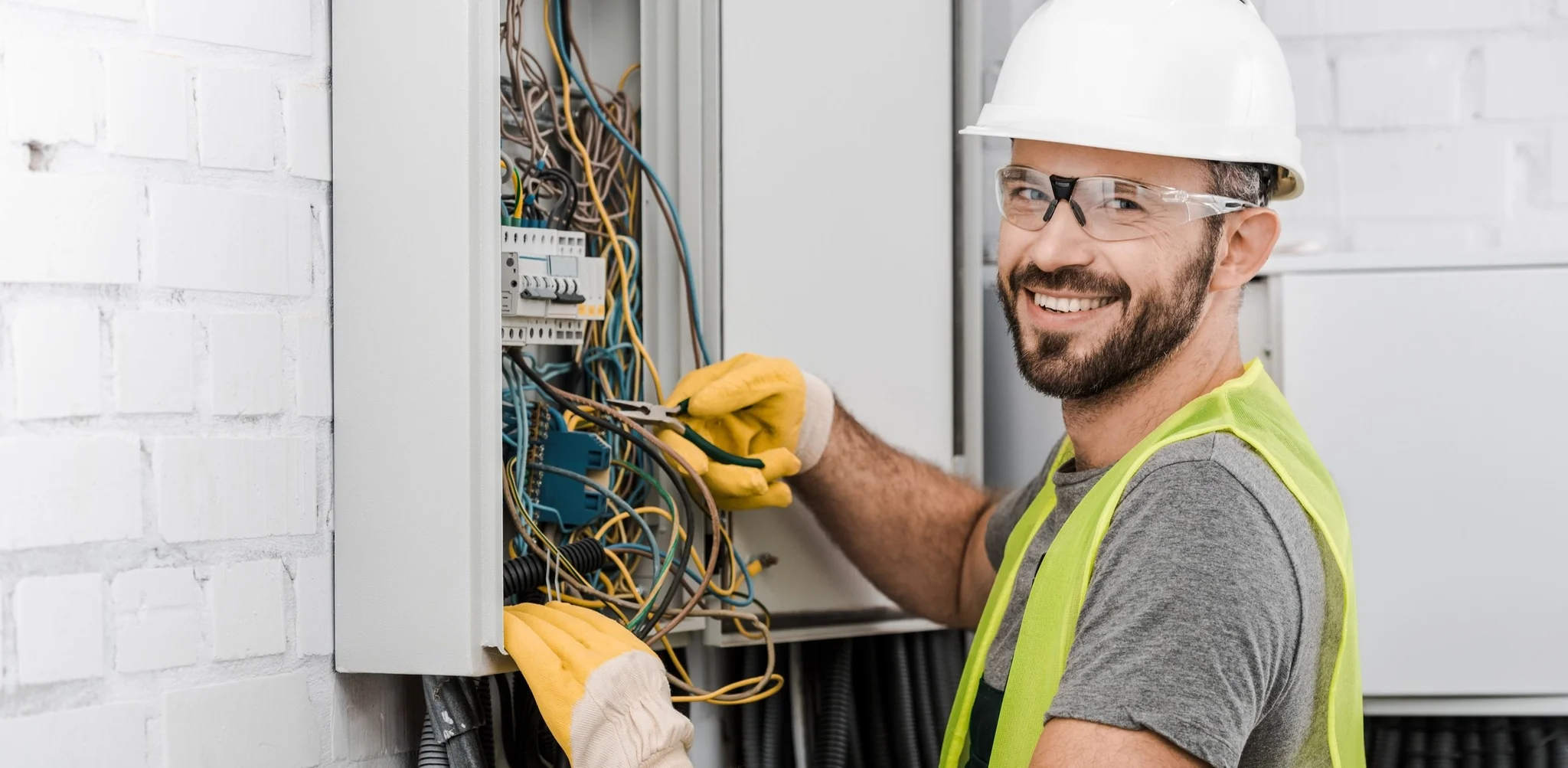
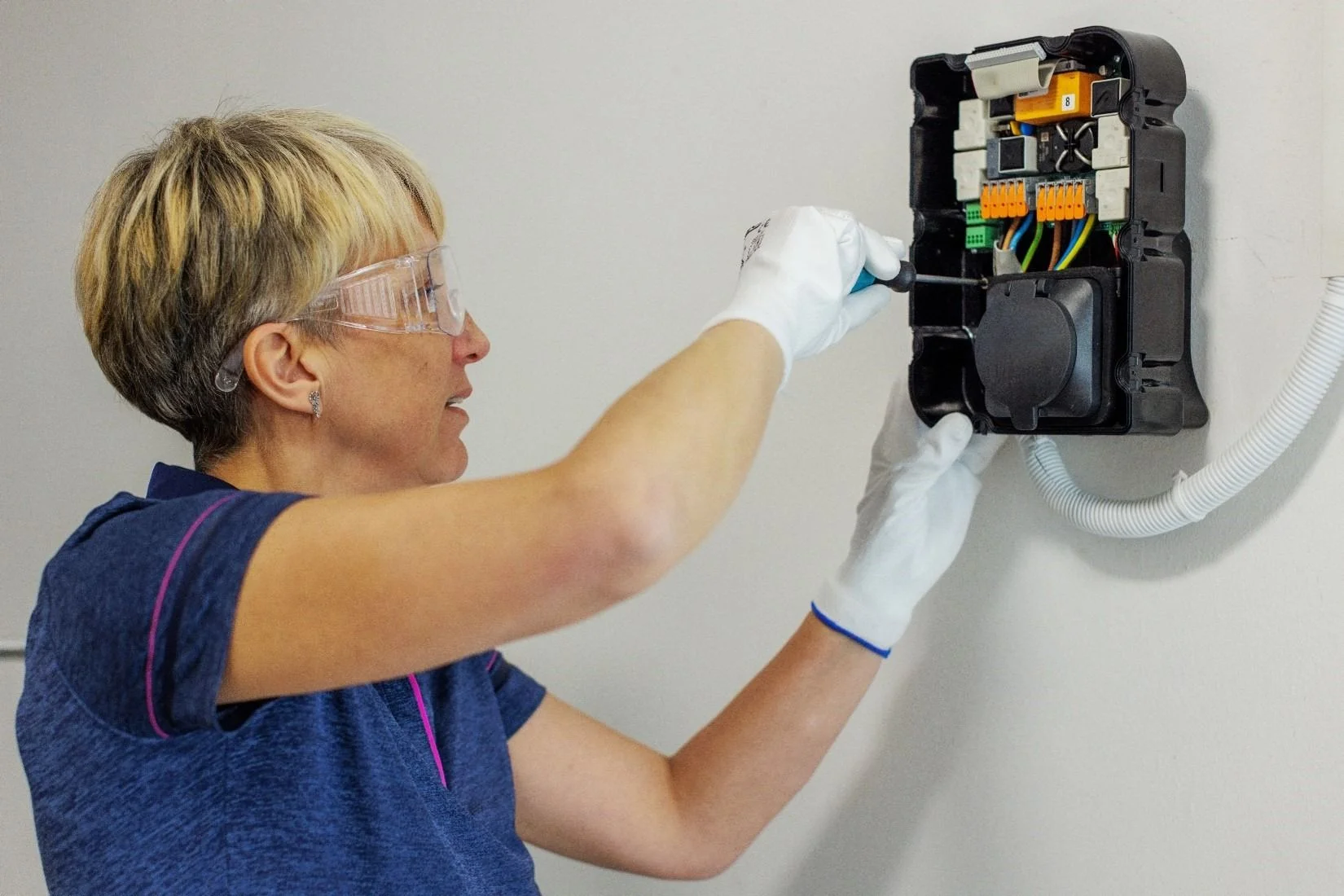
An Electrical Engineer is someone who maintains, designs, implements, and repairs electrical equipment, systems, and devices for a company. You will be in charge of managing projects, including maintaining systems and replacing existing equipment, among other responsibilities. This requires an analytical mind and a strong understanding of electrical engineering principles.
Your day-to-day will involve designing and developing systems and equipment, reporting on performance, overseeing repairs, and managing update schedules, as well as optimising efficiency through continual innovation. You will also need to perform maintenance checks regularly to keep equipment working efficiently. As an Electrical Engineer, your day-to-day will also involve managing projects, including reporting on timelines and progression, as well as managing budgets.
To be a successful Electrical Engineer, you will need some experience and education in engineering principles and managing electrical currents. It is essential that you have the safety competencies for this role, ensuring all work meets the BS 7671 for electrical safety. You can gain this through a variety of competency-based qualifications (including a Level 3 National Vocational Qualification (NVQ)) and, often, an Electrotechnical Certification Scheme (ECS) card. This ensures that you know how to manage, test, inspect, and repair electrics to the legal standard. This role also requires strong written and verbal communication, as well as attention to detail, to ensure reporting and compliance is kept up to standard. This role is perfect for anyone looking to make a difference to operational efficiency while putting practical knowledge to use.