
Dress Code
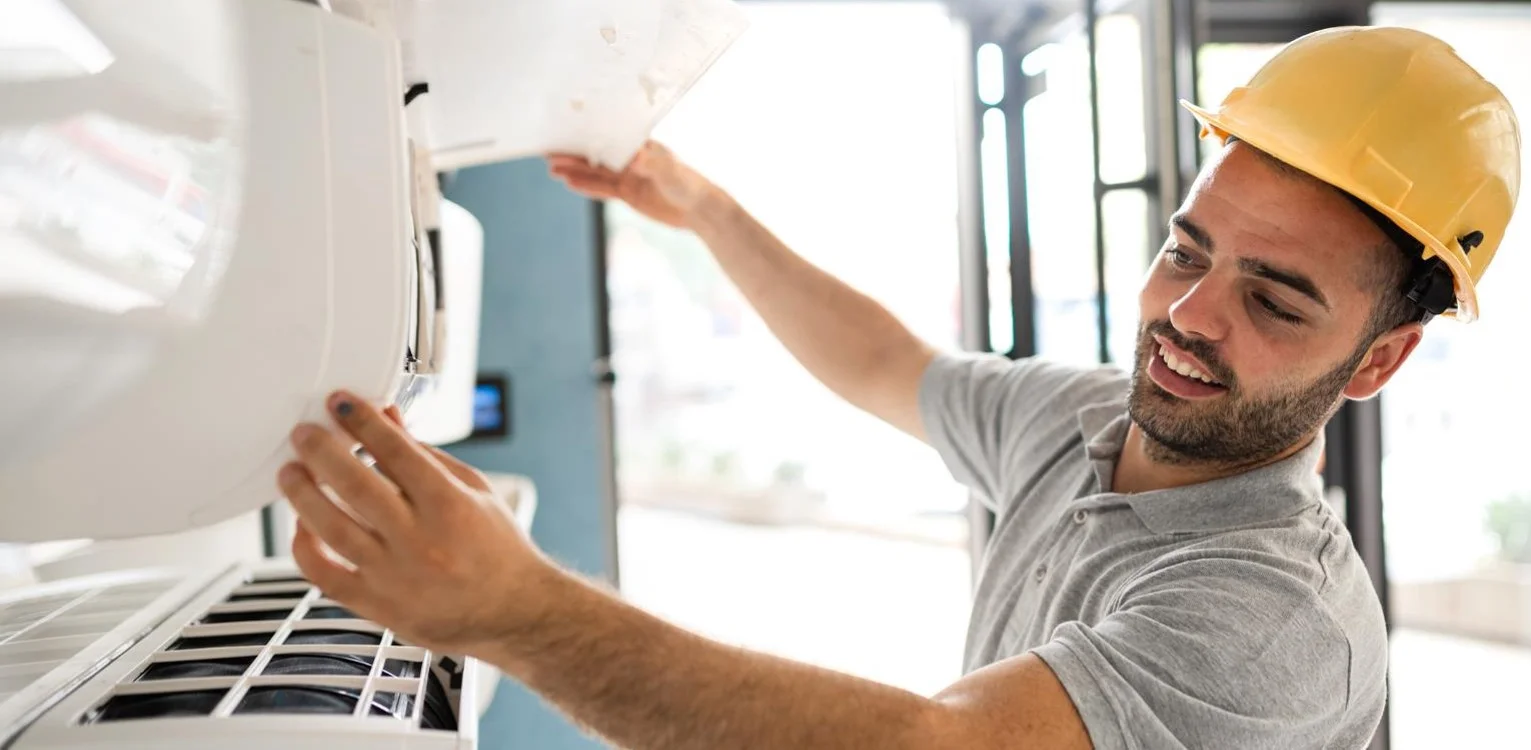
A Maintenance Technician should wear practical, durable workwear such as sturdy work pants, polo shirts or work shirts (usually with a company logo) and closed-toed shoes or steel-toe-capped boots.

A Maintenance Technician should wear practical, durable workwear such as sturdy work pants, polo shirts or work shirts (usually with a company logo) and closed-toed shoes or steel-toe-capped boots.
A Maintenance Technician is responsible for maintaining machinery by performing regular maintenance and repairs, which will reduce the risk of major problems arising. Using your knowledge of different trades, you should be able to find faults in different areas of machine maintenance and find solutions for them quickly to keep production running smoothly.
Focus on gaining relevant qualifications, such as a Level 2 Certificate in Mechanical or Electrical Engineering, while honing your communication skills and time management abilities to keep productivity high.
Develop strong problem-solving skills to diagnose issues and find relevant solutions quickly, implementing them efficiently to reduce the chance of major problems occurring.
A Maintenance Technician should have good knowledge of plumbing, electrics and mechanics, with relevant qualifications in those trades. It is also important to be able to problem-solve to fix maintenance issues.
To be able to diagnose problems and repair issues in different areas of a building, it is important to have a strong understanding of plumbing, electrical systems and mechanical principles to find the most effective solution to a problem.
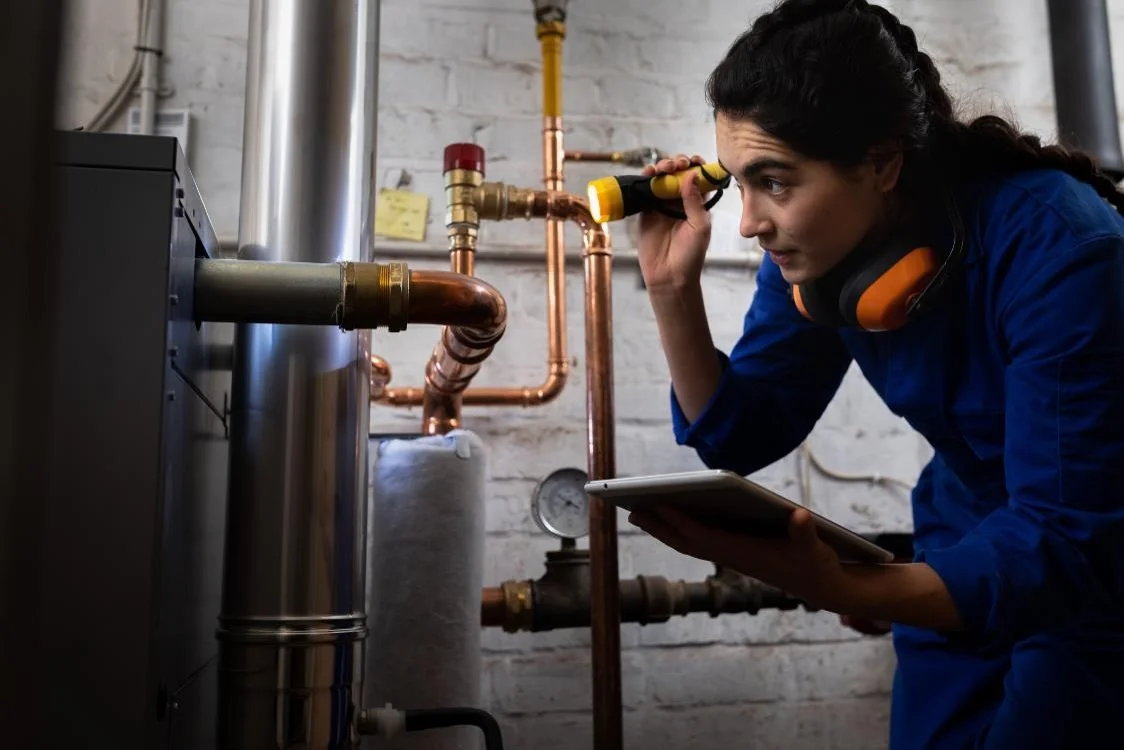
Some issues that will need to be fixed include fixing leaky pipes, troubleshooting electrical circuits, and maintaining machinery. Using these skills and applying them properly will keep production moving efficiently and reduce the chance of further issues.
It is essential that a Maintenance Technician knows how to problem-solve, as equipment issues need to be diagnosed accurately, and effective solutions need to be implemented quickly.
As a Maintenance Technician it is important to analyse the root cause of the problem and think critically to resolve complex problems while making sure systems continue to run smoothly.
Be adaptable to unexpected changes and have a clear mind to solve additional issues that might occur while fixing the initial problem.
Level 2 and 3 are typically the most relevant qualifications for entry and mid-level Maintenance Technician roles. This can include a Level 2 Certificate in Mechanical Engineering, or a Level 2 Certificate in Electrical or Electronic Engineering Technology.
Higher qualifications can also be achieved, such as a Level 3 Diploma in Engineering Maintenance. To gain these qualifications, consider college courses or an apprenticeship to gain on-the-job experience while you learn.
A Maintenance Technician should have good knowledge of plumbing, electrics and mechanics, with relevant qualifications in those trades. It is also important to be able to problem-solve to fix maintenance issues.
To be able to diagnose problems and repair issues in different areas of a building, it is important to have a strong understanding of plumbing, electrical systems and mechanical principles to find the most effective solution to a problem.
Some issues that will need to be fixed include fixing leaky pipes, troubleshooting electrical circuits, and maintaining machinery. Using these skills and applying them properly will keep production moving efficiently and reduce the chance of further issues.
It is essential that a Maintenance Technician knows how to problem-solve, as equipment issues need to be diagnosed accurately, and effective solutions need to be implemented quickly.
As a Maintenance Technician it is important to analyse the root cause of the problem and think critically to resolve complex problems while making sure systems continue to run smoothly.
Be adaptable to unexpected changes and have a clear mind to solve additional issues that might occur while fixing the initial problem.
Level 2 and 3 are typically the most relevant qualifications for entry and mid-level Maintenance Technician roles. This can include a Level 2 Certificate in Mechanical Engineering, or a Level 2 Certificate in Electrical or Electronic Engineering Technology.
Higher qualifications can also be achieved, such as a Level 3 Diploma in Engineering Maintenance. To gain these qualifications, consider college courses or an apprenticeship to gain on-the-job experience while you learn.
A Maintenance Technician can often specialise in a particular field such as mechanical maintenance, HVAC maintenance, aircraft maintenance, fleet maintenance or automotive maintenance. To progress into a specialist field, you will need to gain knowledge and experience in that field.
Gain specific qualifications and try to gain experience within your current position to learn more about the field you’re interested in and continue to strengthen your problem-solving skills to work with certain machinery.
Yes, a Maintenance Technician is generally considered a secure job, as there is a consistent demand for workers with these skills across various industries.
A Maintenance Technician will typically need relevant certification such as a Level 2 Certificate in Mechanical or Electrical Engineering, or a T Level in Maintenance, Installation and Repair for Engineering and Manufacturing. These qualifications can also be gained through an apprenticeship.
A Maintenance Technician can expect to earn around £32,000 per year in the UK. This will depend on experience, industry sector and location.
A Maintenance Technician keeps machinery and equipment in working order by performing regular maintenance and emergency repairs on any broken machinery.