Dress code
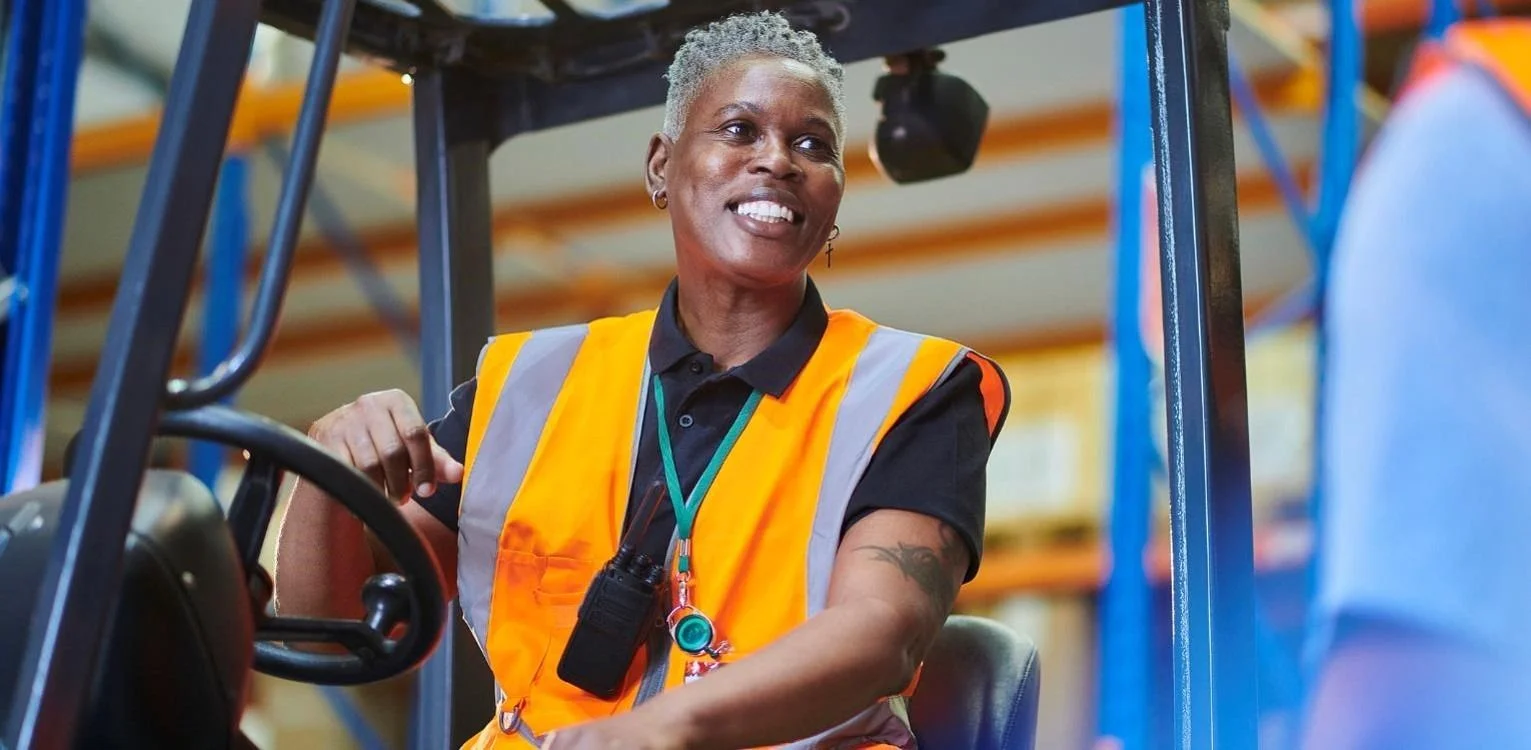
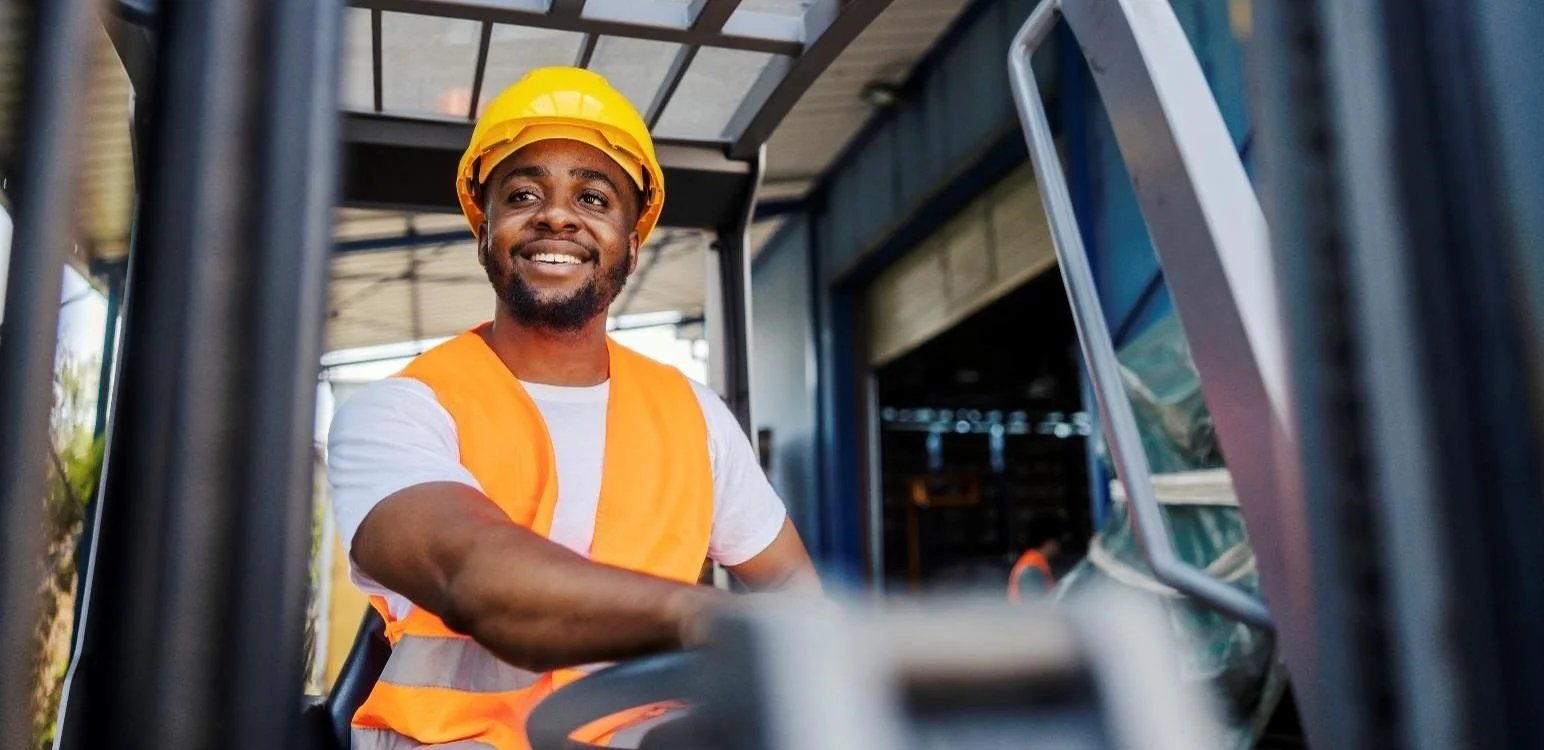
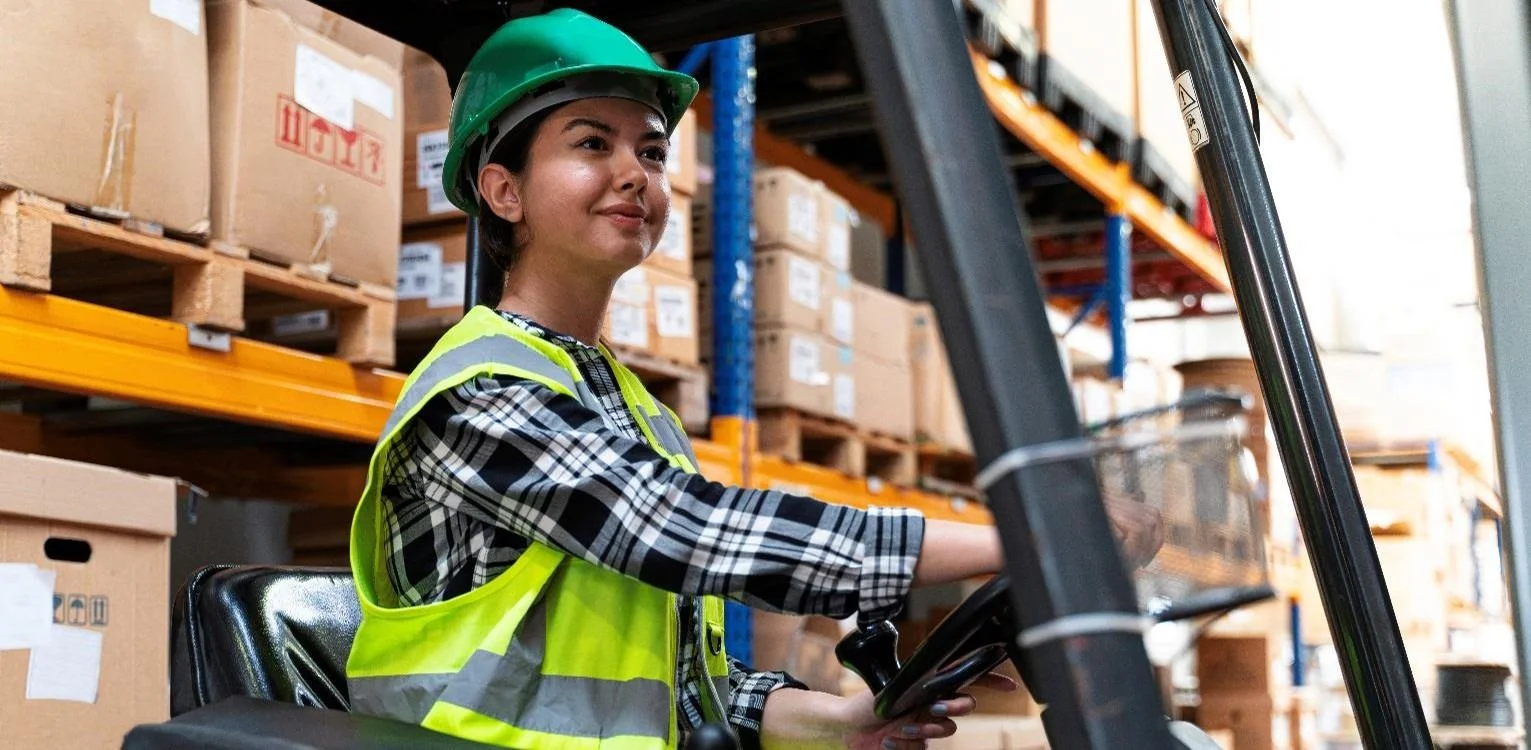
Forklift Drivers typically wear high-visibility vests, steel-toed boots, and gloves. In some cases, helmets and additional protective gear are required for safety compliance.

Forklift Drivers typically wear high-visibility vests, steel-toed boots, and gloves. In some cases, helmets and additional protective gear are required for safety compliance.
Responsibilities include loading and unloading goods, transporting materials safely, conducting equipment inspections, and adhering to safety regulations to ensure smooth warehouse operations.
Stay alert and focused during operations, as precision is critical. Always perform pre-shift vehicle inspections to ensure your forklift is in proper working order. Familiarise yourself with load limits and maintain clear communication with colleagues to coordinate tasks effectively. Following safety protocols at all times reduces risks and enhances efficiency.
To become a Counterbalance Forklift Driver, obtaining a forklift licence and completing comprehensive safety training are essential.
To get your licence, you’ll have to enrol in a certified forklift training course, which typically includes both theory and practical components. The course covers safe vehicle operation, load handling, and maintenance. Candidates must pass a practical test to demonstrate their ability to manoeuvre forklifts safely and efficiently in real-world scenarios. Successful completion of the course results in a recognised forklift licence, valid across the UK. This licence is a mandatory requirement for professional Forklift Operators.
Safety training is a fundamental aspect of becoming a Forklift Driver. Courses emphasise proper load distribution, equipment checks, and emergency procedures. Drivers learn to navigate complex environments, including narrow aisles and crowded spaces, while maintaining safety standards. Understanding the risks associated with forklift operation, such as tip-overs or collisions, ensures that you are prepared for the role. Ongoing safety training is recommended to stay updated on industry standards and regulations.
Forklift Drivers need technical proficiency, strong spatial awareness, and the ability to collaborate effectively with colleagues to manage warehouse operations seamlessly.
Operating a forklift requires sustained focus and a keen sense of spatial awareness to manoeuvre safely in confined spaces. Drivers must anticipate potential hazards, such as obstacles or pedestrians, while ensuring precise placement of goods. Maintaining concentration during repetitive tasks is critical for avoiding accidents and ensuring efficiency. Regular breaks and adherence to safety protocols support sustained performance and reduce the risk of errors.
Proficiency in operating forklifts is essential for managing various tasks, from loading and unloading goods to navigating tight spaces. Drivers must understand equipment controls, weight limits, and maintenance requirements. Familiarity with different forklift models enhances versatility and employability in diverse work environments.
Forklift Drivers often collaborate with other employees to manage inventory, meet deadlines, and resolve logistical challenges, so effective communication with colleagues ensures coordinated operations. Building strong relationships within the team fosters a positive work environment and supports overall efficiency, as teamwork is key to achieving shared goals in high-pressure situations.
Permanent forklift positions offer stability and benefits, including consistent schedules, paid leave, and opportunities for career advancement. Drivers can specialise in specific types of forklift operations or transition into supervisory roles. Many companies provide on-the-job training and additional certifications to enhance skills. Permanent roles are ideal for individuals seeking long-term careers in the logistics sector.
Visit here to learn how to develop your own Forklift Driver CV template.
A Counterbalance Forklift Driver operates forklifts designed to balance heavy loads, safely transporting and organising goods in warehouses, factories, and other industrial settings. Take a look at a Forklift Driver job description to learn more.
Counterbalance forklift training typically takes 1–5 days, depending on prior experience and the complexity of the equipment being operated.
While a standard UK driver’s licence is not required, some employers prefer candidates to have one, particularly for roles involving outdoor or road-based work.
Counterbalance Forklift Drivers in the UK earn between £26,000 and £32,000 annually, with potential for higher earnings in specialised roles or high-demand industries.
A counterbalance forklift can generally carry heavier loads and while a reach forklift can operate at greater heights and has a narrower turning radius. Find out more about becoming a Reach Forklift Driver.