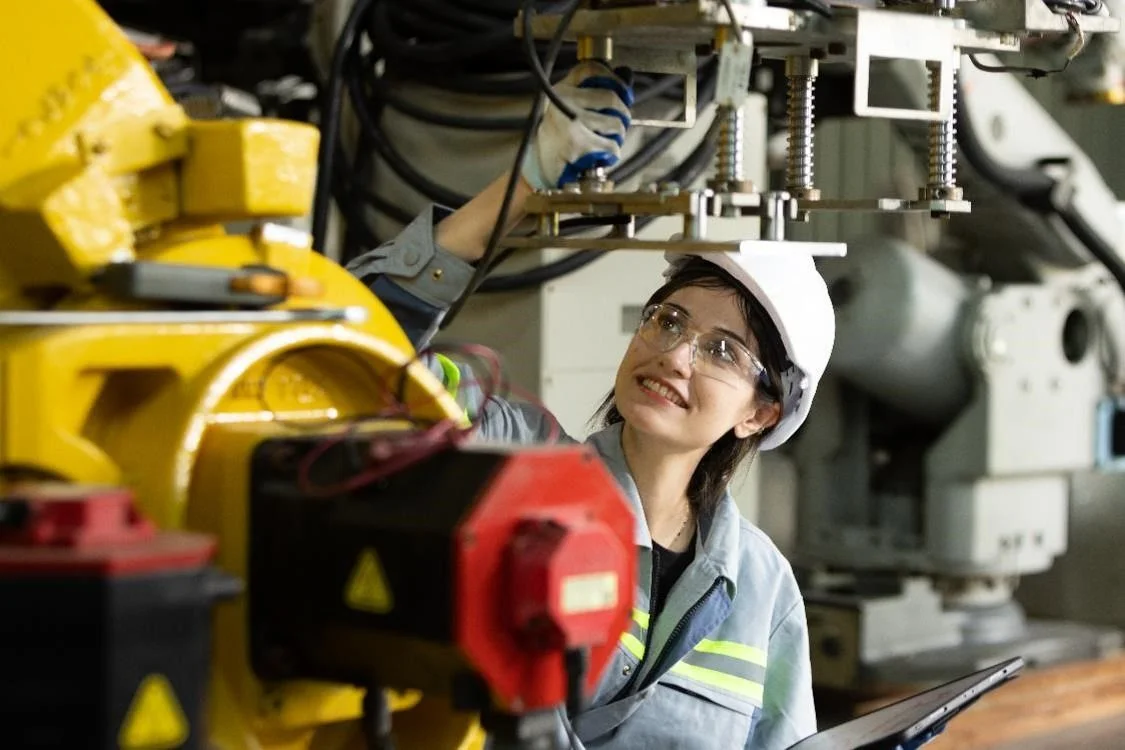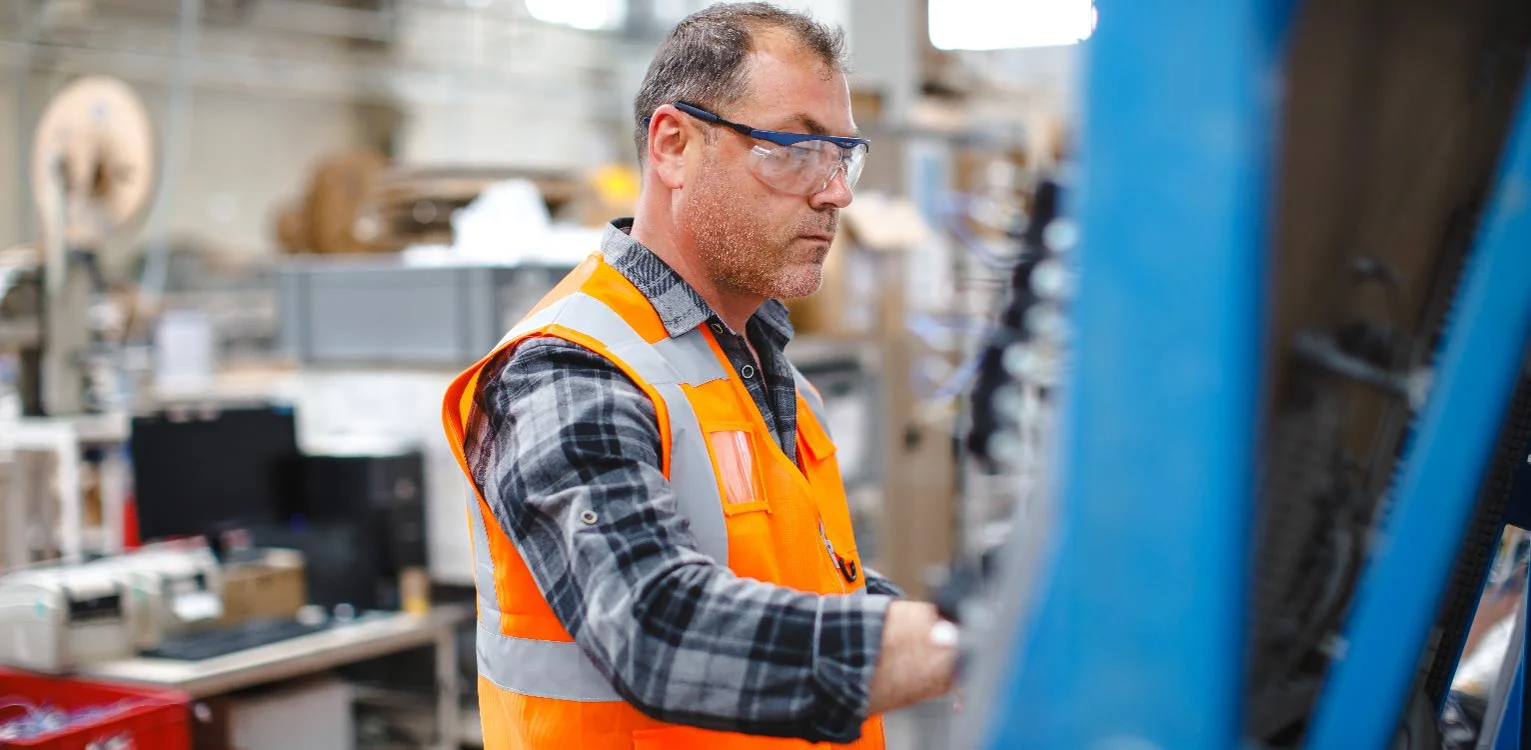
Production Operatives play a vital role in the manufacturing and logistics sectors. Typically based in factories, warehouses or distribution centres, these individuals are responsible for assembling, processing, packaging or inspecting goods to meet production targets and quality standards. These roles are critical in ensuring that products are made efficiently, safely and to agreed specifications, for consumer markets, industrial supply chains or specialist sectors such as pharmaceuticals and electronics.
Core duties for Production Operatives vary depending on the environment and product type, but it’s common to see a number of requirements listed in job adverts, including operating machinery, monitoring production lines, conducting quality checks and preparing items for dispatch. In some settings, roles may also require stock control, labelling, or basic maintenance tasks.
Working patterns for Production Operatives can include shift work, along with nighttime and weekend duties, particularly in high-volume or time-sensitive operations. While most roles are site-based, some employers offer flexible contracts or longer-term progression routes into supervisory or technical positions for high-performing Production Operatives. The rise of automation and other emerging technologies has also changed the nature of the role, with many Operatives now expected to support with technological processes as well.
Employers typically seek Production Operative candidates with a strong work ethic, who are reliable and can work well in a team. Entry-level roles do not usually require formal qualifications, and full training is often provided; however, previous experience in manufacturing, warehousing or similar environments can be advantageous. In more complex or regulated environments, employers may prefer candidates with sector-specific knowledge or certifications, such as forklift licences or food safety training.
Find out more information about the Production Operative job description.