Driving covers a much broader range of roles than you might initially expect, with opportunities ranging from local deliveries to transporting specialist loads and operating large commercial vehicles.
Van and Delivery Drivers
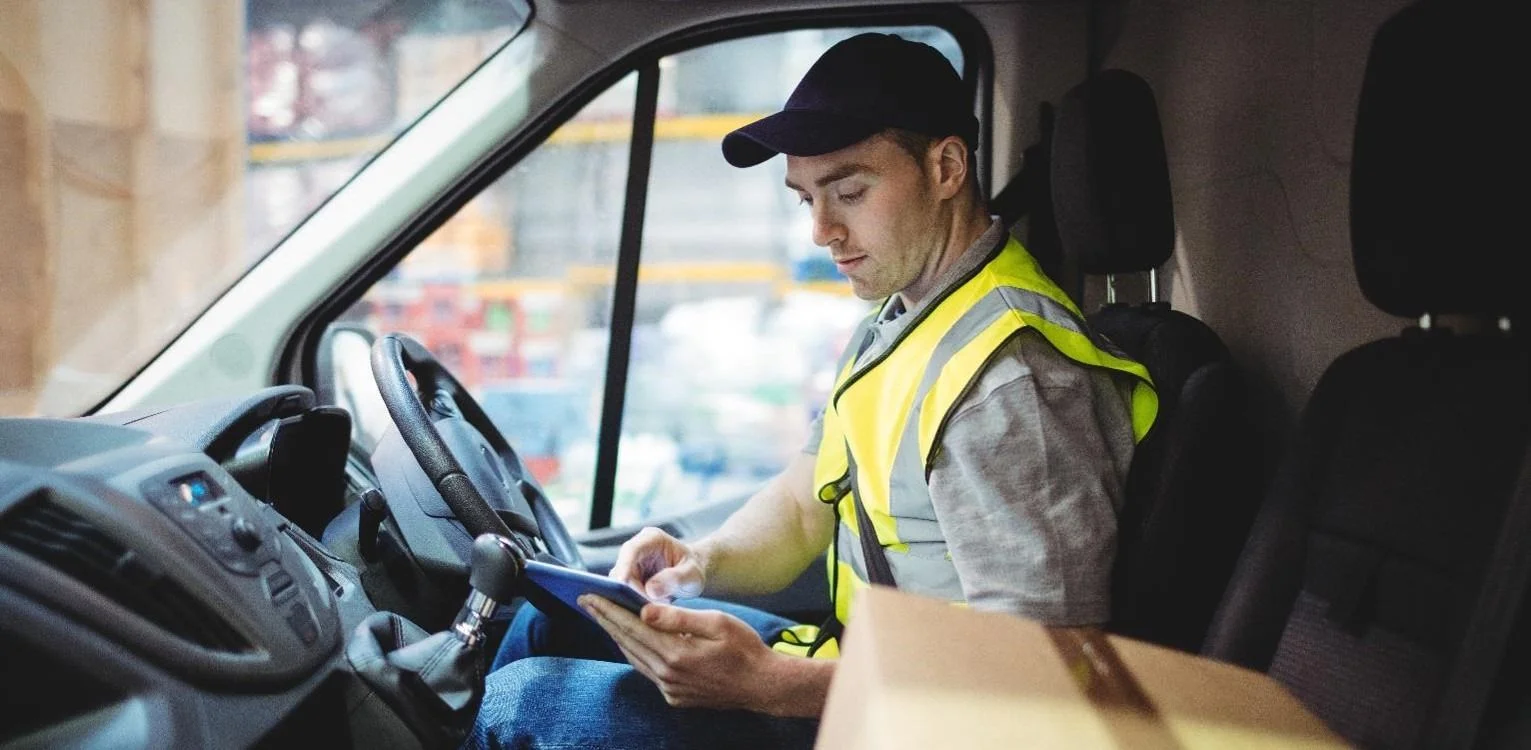
Van and Delivery Drivers are responsible for transporting goods to businesses, customers, and other locations, often across local or regional routes. Depending on the employer, this could involve anything from making a small number of scheduled deliveries to completing multiple stops throughout the day.
These positions will generally require good time management, route planning, and customer service skills, alongside safe and responsible driving. For many roles, a standard Category B driving licence is sufficient, making van and delivery work one of the most accessible ways to begin gaining professional driving experience.
Courier and final mile delivery roles
Courier and final mile roles focus on the final stage of the delivery process, getting parcels and other goods from a depot or distribution centre directly to their destination. This often means completing multiple deliveries within a defined area and working to relatively tight schedules.
Efficiency and organisation are particularly important, as Drivers need to plan routes, manage deliveries, and provide a professional service to customers. With continued demand for home deliveries, Courier work can provide both flexible opportunities and a useful entry point into the wider logistics industry.
HGV Drivers
HGV Drivers transport larger quantities of goods between locations such as warehouses, distribution centres, retail sites, and customer premises. Depending on the role, journeys may be relatively local or involve long-haul routes across different parts of the UK.
Operating larger vehicles brings additional responsibilities, so Drivers will need the appropriate licence and qualifications, alongside a strong understanding of vehicle safety and relevant regulations. HGV driving can offer excellent earning potential and provides opportunities to develop experience across different vehicles, loads, and industries.
HIAB driving
HIAB Drivers combine professional driving with the operation of a vehicle-mounted crane, allowing them to transport and unload heavy or bulky materials. These roles are particularly common within construction, building supplies, and other industries where goods need to be delivered directly to industrial sites.
As well as holding the appropriate licence, Drivers will generally need additional training to safely operate the lifting equipment. This combination of skills makes HIAB driving a more specialist career path and can provide strong opportunities for experienced Drivers looking to increase their responsibilities and earning potential.
Bus and coach driving roles
Bus and Coach Drivers are primarily responsible for transporting passengers safely between destinations, whether that involves operating scheduled local services, school routes, private hire journeys, or longer-distance coach travel.
Alongside strong driving ability and the appropriate licence, these positions require excellent customer service and communication skills. Drivers need to remain professional, punctual, and calm while dealing with passengers and changing road conditions. For those who enjoy interacting with people as part of their working day, passenger transport can provide a rewarding alternative to goods-based driving roles.
Specialist transport driving
Specialist transport covers a range of driving roles involving vehicles or loads that require additional skills, qualifications, or experience. This can include areas such as tanker driving, ADR work involving dangerous goods, abnormal loads, and other forms of specialist logistics.
Requirements vary considerably depending on the work involved, and Drivers may need to undertake additional training or gain specific certifications before moving into these positions. However, developing specialist expertise can increase your value to employers and potentially provide access to higher-paying opportunities as your career progresses.