Welder Job Responsibilities
Welders are responsible for joining metals together using the correct welding techniques and materials. They must keep their tools well-maintained and follow strict safety procedures.

Welders are responsible for joining metals together using the correct welding techniques and materials. They must keep their tools well-maintained and follow strict safety procedures.
To become a Welder, it is important to gain the relevant qualifications either through an Apprenticeship or College courses. Learning the correct health and safety protocols is extremely important to reduce the chance of injury for yourself and other workers.
People in Welder roles will need to be precise with their work, using the correct materials and welding techniques to produce their best work while staying safe.
Welders must learn about welding techniques and materials before they can qualify for this role. These skills can be learned either through college courses or by learning on the job through Apprenticeships.
There are many skills to be learned before becoming a Welder, and it is important to know which materials can be welded together and which techniques to use so that a structure stays stable and safe without further need for repairs.
Precision is key while welding, as metal joints need to be stable and structurally sound, using mathematics skills and a steady hand. A Welder must be able to read blueprints and use accurate measurements when creating or modifying a structure so that it holds its shape and doesn’t suffer any cracks or breakages.
It takes a steady and dexterous hand to make precise cuts in metal with the correct techniques. A Welder must be agile and have a keen eye for detail to produce the most precise welds.
Following safety procedures is essential when welding, as the extreme heat and tools required for creating welds can be dangerous to an untrained person.
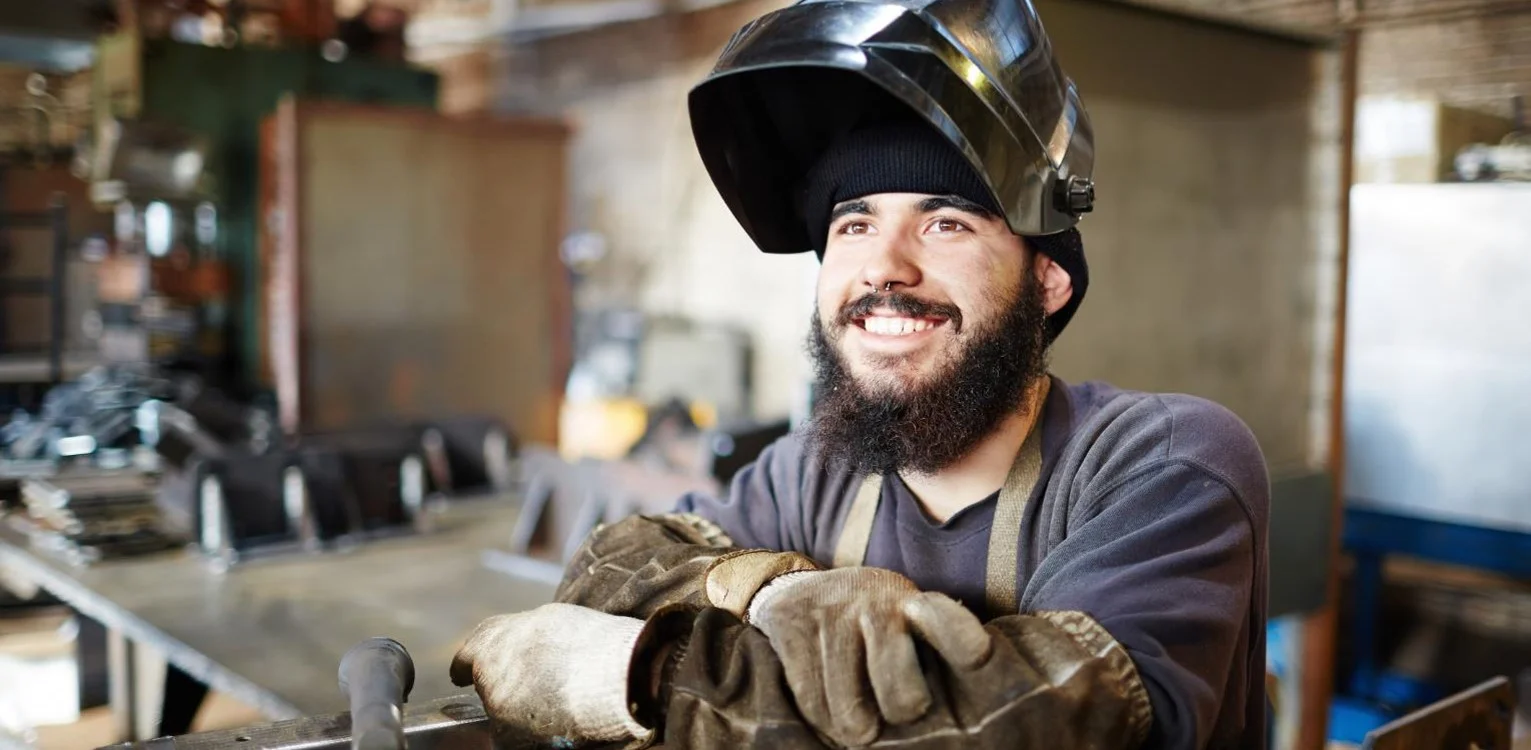
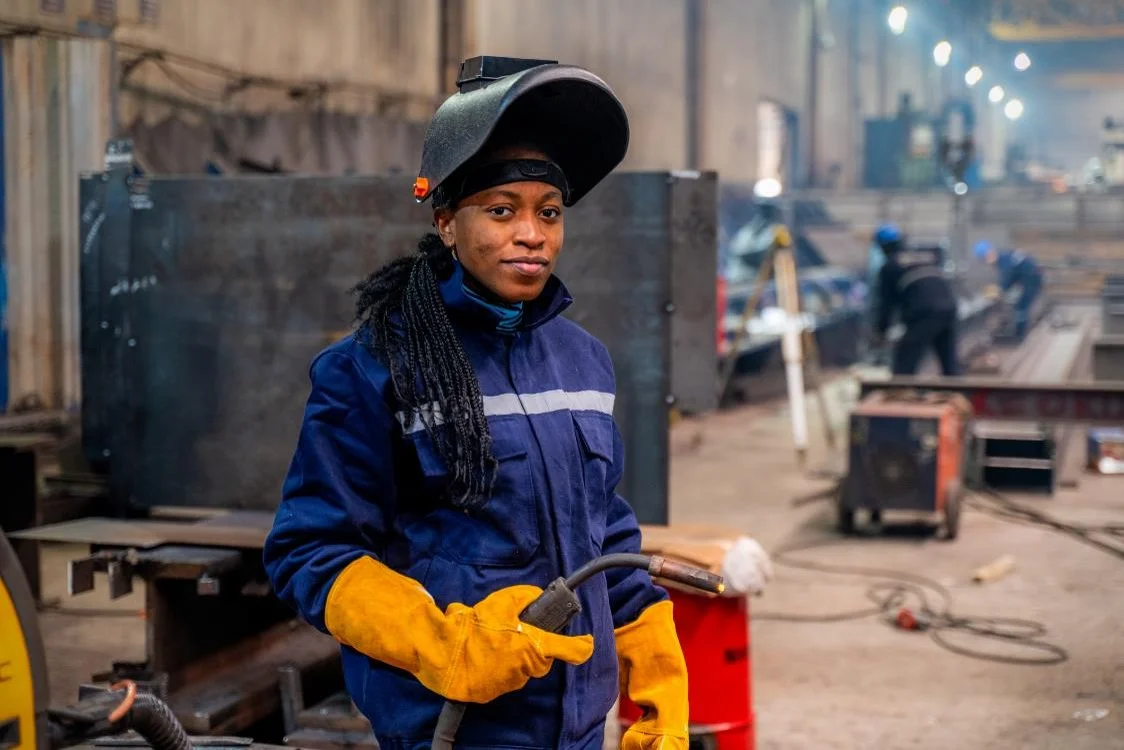
You must wear the correct PPE, making sure that your clothes are flameproof and that you’re wearing gloves and eye protection. Only weld in fire safe areas and keep your tools well maintained to successfully follow some of a Welder’s safety procedures.
It is part of a Welder’s job to join metal components together to create secure structures and frames. They must also maintain their tools and machinery.
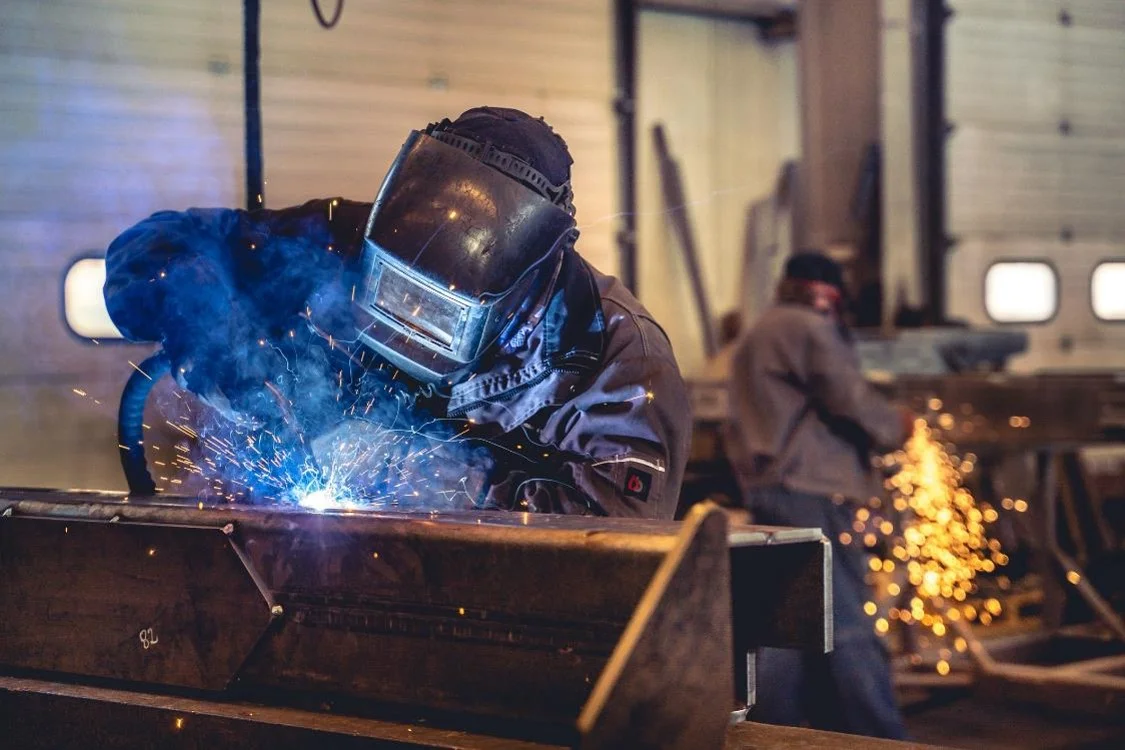
A Welder must join metal components together by using concentrated heat on the joint of the material using a welding torch or machine. This process causes the metal to fuse together using a filler metal to create a strong bond and a solid, sturdy joint.
A Welder needs a steady hand capable of dexterous movement to perform this job successfully. They must also know the correct technique to use with each metal to make sure everything is joined safely and correctly.
Welding tools must be regularly cleaned using different cleaning products and techniques for certain areas of the machines, such as compressed air or a damp cloth. Replace any consumable materials regularly, before they run out, to keep productivity high.
A Welder must make sure that an area is well ventilated and that there are no frayed or damaged wires. Be vigilant in maintaining your machinery, as letting their quality deteriorate will be dangerous.
Specialised Welding requires high safety standards and quality control, using advanced technology to produce precise welds. Welding Specialists use their knowledge and experience to weld, cut, solder and braze metal using hand-held and remotely controlled welding equipment.
To move into this field, focus on mastering welding techniques and working with remote-controlled machinery where possible, gaining proficiency with it and showing your interest in furthering your career as a Welder.
Yes, Welding is a critical part of many industries and is, therefore, in demand for industries including construction, manufacturing, and aerospace.
A Welder in the UK can expect to earn around £30,000 per year for an entry-level job. Skilled Welders can increase that to over £40,000 per year.
A Welder’s job is to join metal and other materials together using high heat. This is an important job in many industries, including construction and manufacturing.