
Dress Code
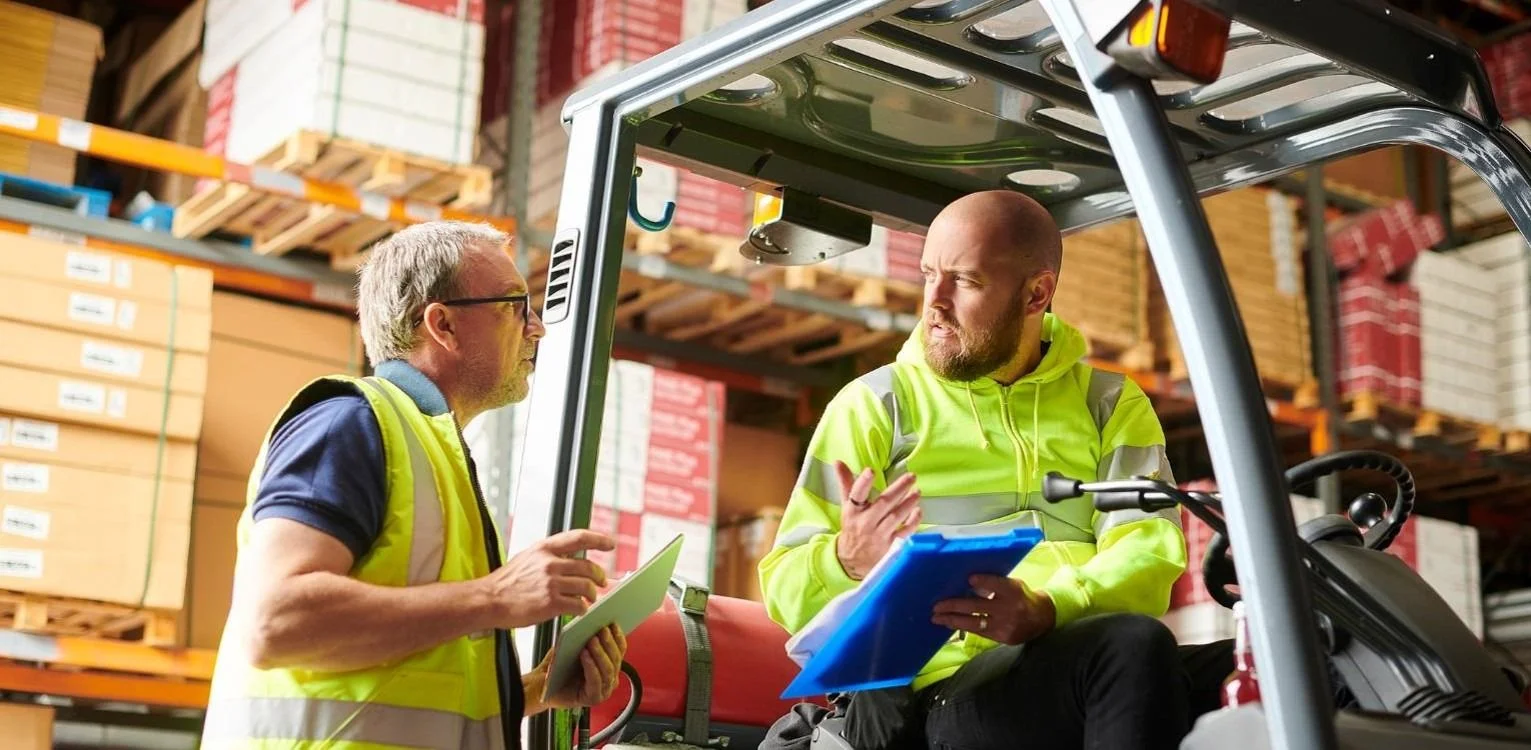
A Warehouse Operative will prioritise safety and comfort, wearing plain t-shirts or company-provided work shirts, sturdy pants such as jeans or work trousers, steel-toed work boots, high visibility outerwear, and appropriate gloves.

A Warehouse Operative will prioritise safety and comfort, wearing plain t-shirts or company-provided work shirts, sturdy pants such as jeans or work trousers, steel-toed work boots, high visibility outerwear, and appropriate gloves.
A Warehouse Operative is responsible for keeping the warehouse tidy and risk-free, as well as sorting, picking, shipping and organising stock.
To do well in this role, focus on improving your physical strength and learning proper lifting techniques to prevent any injuries that could otherwise occur.
Some jobs will take priority over others, so it is important to know how to prioritise tasks to increase productivity.
A Warehouse Operative must have good attention to detail and always keep health and safety in mind, including wearing appropriate PPE. Physical fitness is also important to avoid injuries. If you need to know the best way to describe these skills, take a look at our Warehouse Operative CV template.
It is important to stay fit while working as a Warehouse Operative, as the role often involves a lot of walking, standing for extended periods, and moving goods from one place to another.
Knowing proper lifting form is crucial to avoid back injuries, and overall wellness is important for long shifts and lots of movement. Stamina will be built up while performing the job, but it is beneficial to have some physical fitness before starting.
Inventory management, picking stock and shipping goods all require good attention to detail so that the warehouse stock stays accurate, and any orders placed for replacement stock will also have the correct number of items.
Attention to detail is also important for checking for defects in stock, as faulty items will need to be dealt with separately from normal goods. Similarly, a Warehouse Operative will need to record stock accurately, making sure to consider any faulty stock or items that need to be omitted from a stock count.
Following health and safety protocols is essential as a Warehouse Operative, as poor health and safety will cause accidents to you or your colleagues. Health and safety training will be given on the job, including proper use of PPE where necessary, such as high-visibility clothing, sturdy gloves and head protection.
Keeping the warehouse clean and tidy is also an important part of health and safety; a Warehouse Operative should be diligent in keeping the area free of debris to improve safety and productivity.
It is a Warehouse Operative’s duty to pack and ship items, manage inventory, and make sure the warehouse is clean and organised.
When packing and shipping items, it’s important to pay attention to the customer’s request and make sure the items are fit for shipping, replacing any damaged items and packing them neatly.
Before shipping, it is important to label any packages correctly, especially when dealing with customer information. Pay close attention to detail, as recording something incorrectly will cause problems later.
The stock inside the warehouse must be counted regularly and recorded for accuracy, as any inaccuracies can cause issues for customers who will not be able to obtain stock that is not available.
When managing inventory, be precise with your records; this will maximise productivity and minimise issues for staff and customers. Dealing with inventory correctly will reduce delays and ensure orders can be delivered on time.
An untidy and unorganised work area can cause accidents. It is important to stay vigilant when it comes to cleaning, making sure items and debris are not on the floor or on shelves where they can fall.
Organise stock appropriately so that it is easy to access and stored safely. On-the-job training is given to show new Operatives how to perform their tasks optimally, including how to handle stock when receiving deliveries or packaging items for shipping.
Progression into logistics will require a greater knowledge of warehouse operations and a development of analytical skills to process data related to stock and shipping.
Logistics can also require extra training in areas such as inventory control and warehouse management systems. It is a good idea to learn more about transportation management and customs regulations for incoming and outgoing goods.
Yes, it is often considered physically demanding as it involves repetitive tasks like walking long distances, standing for extended periods of time and lifting heavy items.
You will need training in proper lifting techniques and safety procedures, and some roles will require machine operation training. This is usually provided on the job.
A Warehouse Operative’s salary will vary depending on experience, but the average is somewhere around £25,000.
A Warehouse Operative receives, stores and ships goods in a warehouse. They might also be responsible for picking and packing orders.