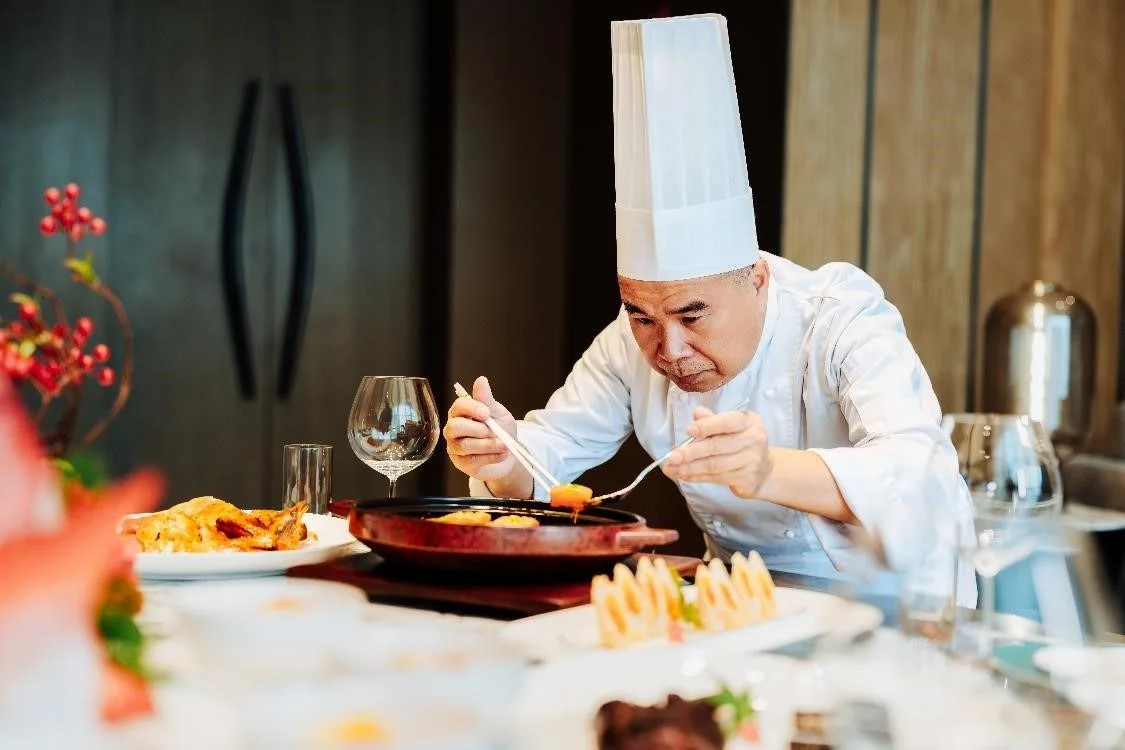

Dress Code
Head Chefs wear professional attire, including a white chef’s jacket, apron, hat, and non-slip shoes. This uniform reflects their role and adheres to hygiene standards.

Head Chefs wear professional attire, including a white chef’s jacket, apron, hat, and non-slip shoes. This uniform reflects their role and adheres to hygiene standards.
Head Chef responsibilities include menu development, overseeing kitchen staff, managing inventory, ensuring food quality, and maintaining compliance with health and safety regulations. These are explored further below.
Focus on strong leadership and clear communication to foster teamwork. Emphasise innovation in menu development and stay informed about culinary trends. Regularly train and mentor your team to maintain consistency and morale. Building relationships with suppliers ensures access to quality ingredients, which is critical for delivering exceptional dining experiences.
Becoming a Head Chef requires advanced culinary skills, leadership expertise, and a deep understanding of hygiene and safety standards, along with extensive hands-on experience.
As with all Chef jobs, Head Chefs must excel in diverse cooking techniques, including mastering sauces, pastry, and butchery. Creativity is key to designing innovative and appealing menus that reflect the restaurant’s identity. Attention to detail ensures dishes are prepared to the highest standard. Experience with food costing and portion control is essential for maintaining profitability without compromising quality. These skills, combined with a deep passion for cooking, define a Head Chef’s ability to lead in the kitchen.
Leading a kitchen team requires excellent communication and organisational skills. Head Chefs oversee hiring, training, and scheduling staff, ensuring the kitchen operates efficiently. They resolve conflicts, motivate team members, and maintain a positive work environment. Managing inventory and budgets is also a critical aspect of the role. Learn how to showcase these abilities in your Head Chef CV, highlighting both technical and leadership accomplishments.
Head Chefs are responsible for upholding stringent hygiene and safety standards in the kitchen. This includes implementing proper food storage, handling, and preparation practices to avoid contamination. Regular inspections and compliance with local health regulations ensure a safe dining environment for customers. Training staff on safety procedures, such as fire prevention and first aid, is also essential for maintaining a secure and efficient kitchen.
Head Chefs manage operations, staff, and quality assurance while maintaining high standards in food preparation, safety, and customer satisfaction.
Creating a menu that reflects the restaurant’s theme and appeals to customers is a primary responsibility. Head Chefs design dishes that balance creativity with profitability, using seasonal ingredients to add variety. Collaborating with suppliers ensures access to high-quality products at competitive prices, while regularly updating the menu keeps offerings fresh and relevant, enhancing customer satisfaction. Effective menu planning also involves food costing to ensure financial sustainability.
Head Chefs hire, train, and mentor kitchen staff, fostering a skilled and cohesive team. They oversee daily operations, assign tasks, and ensure smooth service during busy periods. Regular training sessions help maintain consistency and allow staff to adapt to new techniques or menu changes. Meanwhile, providing constructive feedback and recognising achievements boosts morale, creating a positive work environment that encourages professional growth.
Ensuring that every dish meets high standards is crucial for maintaining a restaurant’s reputation. Head Chefs inspect food quality at every stage, from ingredient selection to plating. They establish and enforce consistency in portion sizes, presentation, and taste. Monitoring customer feedback allows Head Chefs to identify areas for improvement, ensuring continuous enhancement of the dining experience. This commitment to quality builds trust with patrons and fosters repeat business.
Becoming a Head Chef requires advanced culinary skills, leadership expertise, and a deep understanding of hygiene and safety standards, along with extensive hands-on experience.
As with all Chef jobs, Head Chefs must excel in diverse cooking techniques, including mastering sauces, pastry, and butchery. Creativity is key to designing innovative and appealing menus that reflect the restaurant’s identity. Attention to detail ensures dishes are prepared to the highest standard. Experience with food costing and portion control is essential for maintaining profitability without compromising quality. These skills, combined with a deep passion for cooking, define a Head Chef’s ability to lead in the kitchen.
Leading a kitchen team requires excellent communication and organisational skills. Head Chefs oversee hiring, training, and scheduling staff, ensuring the kitchen operates efficiently. They resolve conflicts, motivate team members, and maintain a positive work environment. Managing inventory and budgets is also a critical aspect of the role. Learn how to showcase these abilities in your Head Chef CV, highlighting both technical and leadership accomplishments.
Head Chefs are responsible for upholding stringent hygiene and safety standards in the kitchen. This includes implementing proper food storage, handling, and preparation practices to avoid contamination. Regular inspections and compliance with local health regulations ensure a safe dining environment for customers. Training staff on safety procedures, such as fire prevention and first aid, is also essential for maintaining a secure and efficient kitchen.
Head Chefs manage operations, staff, and quality assurance while maintaining high standards in food preparation, safety, and customer satisfaction.
Creating a menu that reflects the restaurant’s theme and appeals to customers is a primary responsibility. Head Chefs design dishes that balance creativity with profitability, using seasonal ingredients to add variety. Collaborating with suppliers ensures access to high-quality products at competitive prices, while regularly updating the menu keeps offerings fresh and relevant, enhancing customer satisfaction. Effective menu planning also involves food costing to ensure financial sustainability.
Head Chefs hire, train, and mentor kitchen staff, fostering a skilled and cohesive team. They oversee daily operations, assign tasks, and ensure smooth service during busy periods. Regular training sessions help maintain consistency and allow staff to adapt to new techniques or menu changes. Meanwhile, providing constructive feedback and recognising achievements boosts morale, creating a positive work environment that encourages professional growth.
Ensuring that every dish meets high standards is crucial for maintaining a restaurant’s reputation. Head Chefs inspect food quality at every stage, from ingredient selection to plating. They establish and enforce consistency in portion sizes, presentation, and taste. Monitoring customer feedback allows Head Chefs to identify areas for improvement, ensuring continuous enhancement of the dining experience. This commitment to quality builds trust with patrons and fosters repeat business.
Continuous learning is vital for staying competitive in the culinary industry, particularly as a Head Chef. Attending workshops, enrolling in advanced courses, and participating in culinary expos allow chefs to refine their skills and explore new trends. Networking with peers and suppliers can lead to new opportunities, collaborations, or innovations, while staying engaged with the broader culinary community ensures that head chefs remain informed and inspired, keeping their offerings fresh and relevant.
It typically takes 8–12 years, progressing from entry-level roles to Sous Chef and eventually Head Chef, depending on experience and dedication.
While formal qualifications such as NVQs or culinary diplomas are helpful, extensive experience, leadership skills, and a strong work ethic are often more important.
Head Chefs in the UK earn between £25,000 and £35,000 annually, with variations based on location, restaurant type, and level of responsibility.
A Head Chef oversees kitchen operations, manages staff, develops menus, ensures food quality, and maintains compliance with hygiene and safety regulations.