Dress code
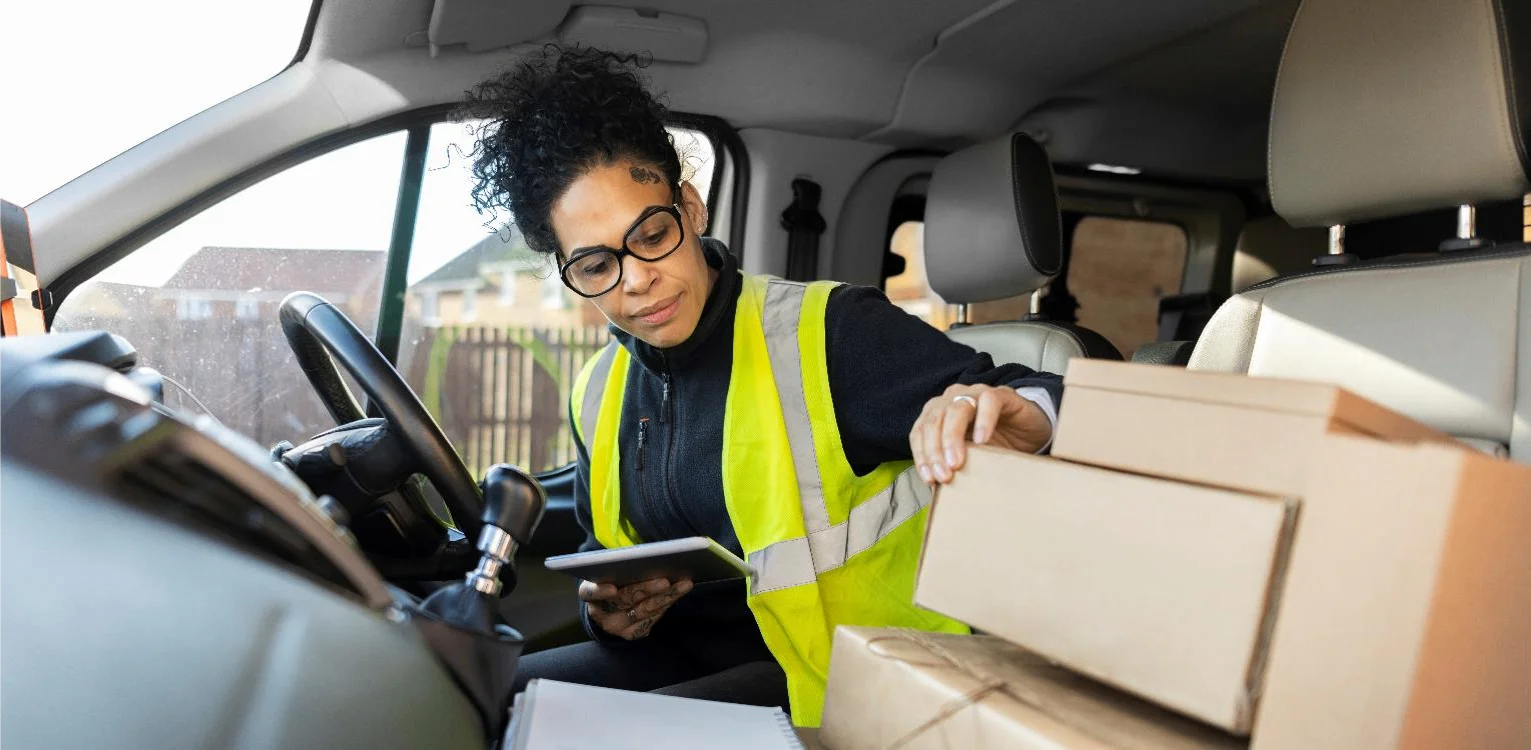
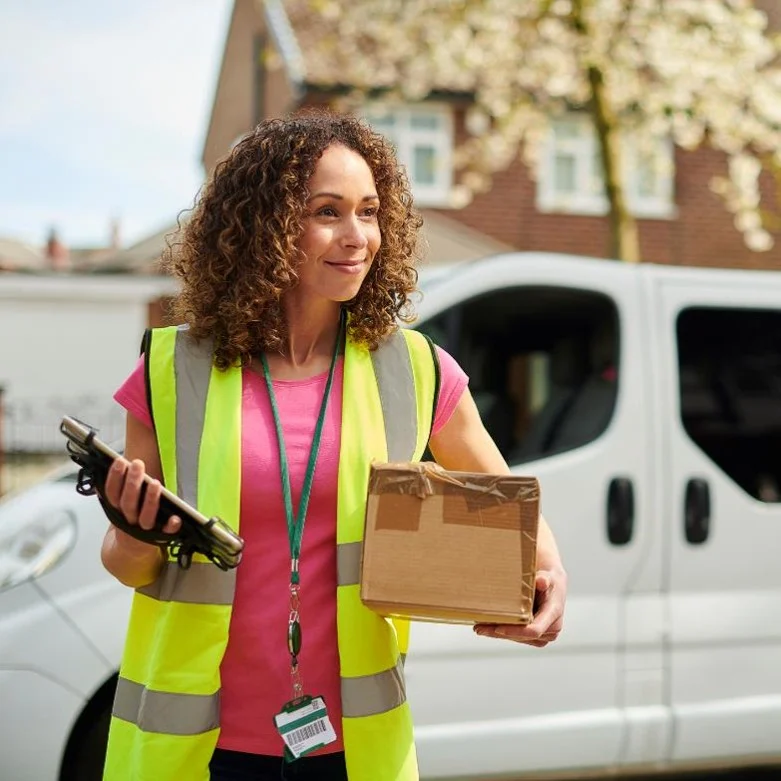
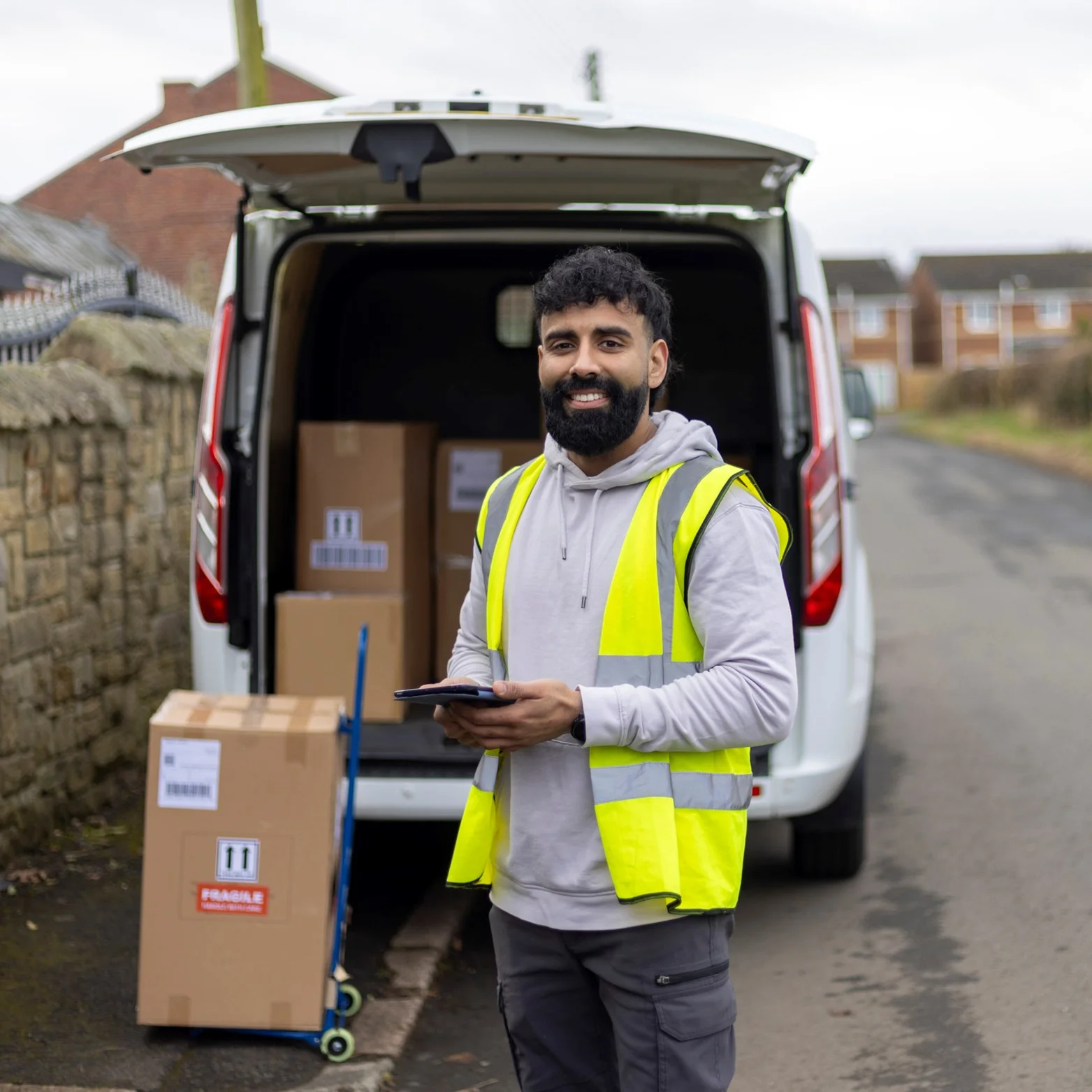
Delivery Drivers typically wear uniforms provided by their employer. Comfortable, weather-appropriate attire, sturdy shoes, and high-visibility jackets are essential for both safety and professionalism.

Delivery Drivers typically wear uniforms provided by their employer. Comfortable, weather-appropriate attire, sturdy shoes, and high-visibility jackets are essential for both safety and professionalism.
Responsibilities of Delivery Drivers include transporting goods, maintaining schedules, interacting with customers, and ensuring the safe handling of items during loading, transit, and unloading.
While this support is often provided by the company you work for, it’s advisable to plan routes carefully to minimise delays and save fuel, as well as regularly inspecting your vehicle to ensure it’s roadworthy. Adhering to road safety regulations, particularly for speed limits and loading requirements, ensures both legal compliance and the safety of transported goods. People skills are often overlooked in this role, but maintaining professional and courteous interactions with customers is important in enhancing their experience.
To succeed as a Delivery Driver, you need the appropriate licences, safe driving skills, and excellent time management to meet delivery deadlines efficiently.
Most delivery roles require a standard UK driving licence. However, for larger vehicles, such as vans exceeding 3.5 tonnes, a Category C1 licence may be necessary (see more information on becoming a Class 2 HGV Driver). Food delivery or specialised roles might also require additional permits or checks, such as a DBS check for delivering to schools or healthcare facilities. Ensuring your licence is valid and up to date is crucial for legal and professional compliance in this role.
Delivery Drivers must demonstrate excellent road awareness and vehicle control, adapting to traffic patterns, weather conditions, and challenges faced through driving in rural and urban areas. Time management is critical for meeting delivery schedules, and basic navigation skills ensure efficient route planning. Familiarity with digital tools, such as GPS and route optimisation software, enhances efficiency.
Delivery Drivers manage tasks such as handling deliveries, navigating efficiently, and maintaining accurate records to ensure customer satisfaction and operational success.
Delivery Drivers ensure goods are securely loaded, transported, and delivered in perfect condition. Managing returns involves coordinating with customers and documenting items accurately. Drivers must handle packages with care, especially fragile or high-value goods, to maintain customer trust and uphold the employer’s reputation for reliable service.
Customer interaction is a key aspect of delivery driving. Drivers must communicate politely, address any questions or concerns that customers may have, and confirm the receipt of deliveries by getting signatures, taking photos, or through digital tools. Positive customer experiences enhance brand reputation and encourage repeat business, making professionalism an essential skill for successful delivery drivers.
Efficient route planning minimises delays, saves fuel, and ensures timely deliveries. Drivers use GPS tools and consider factors such as traffic, road closures, and weather conditions when planning routes. Familiarity with local areas is advantageous for navigating efficiently and avoiding common obstacles.
Maintaining detailed delivery logs, including timestamps, customer signatures, and completed routes, ensures operational accuracy. Drivers must also report any issues, such as failed deliveries or damaged goods. Accurate record-keeping supports smooth operations and allows companies to monitor and improve service quality.
With experience, Delivery Drivers can transition into full-time roles, offering a more stable income, alongside potential benefits and career growth opportunities. Full-time positions often include additional responsibilities, such as fleet management or logistics coordination. Specialised roles, such as heavy goods vehicle (HGV) driving, provide further advancement potential. Many companies support their Drivers through training programs and internal promotions, making full-time roles a valuable next step in the Delivery Driver career path.
To become a Delivery Driver, you need a valid driving licence, time management skills, and a customer-focused approach. You can apply through Blue Arrow, where we also offer Delivery Driver CV support.
Delivery Drivers in the UK typically earn £12.71–£15 per hour, depending on experience, employer, and location. Food delivery and Courier roles may offer additional incentives.
The minimum age for delivery driving is 18, although some roles may require Drivers to be 21 due to insurance or specific licence requirements.