Dress Code
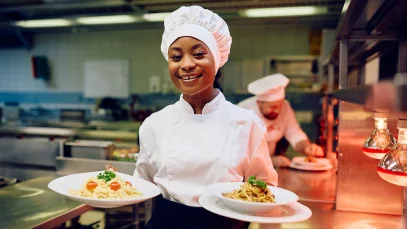
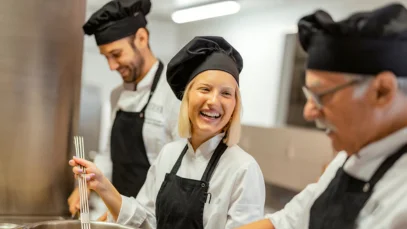
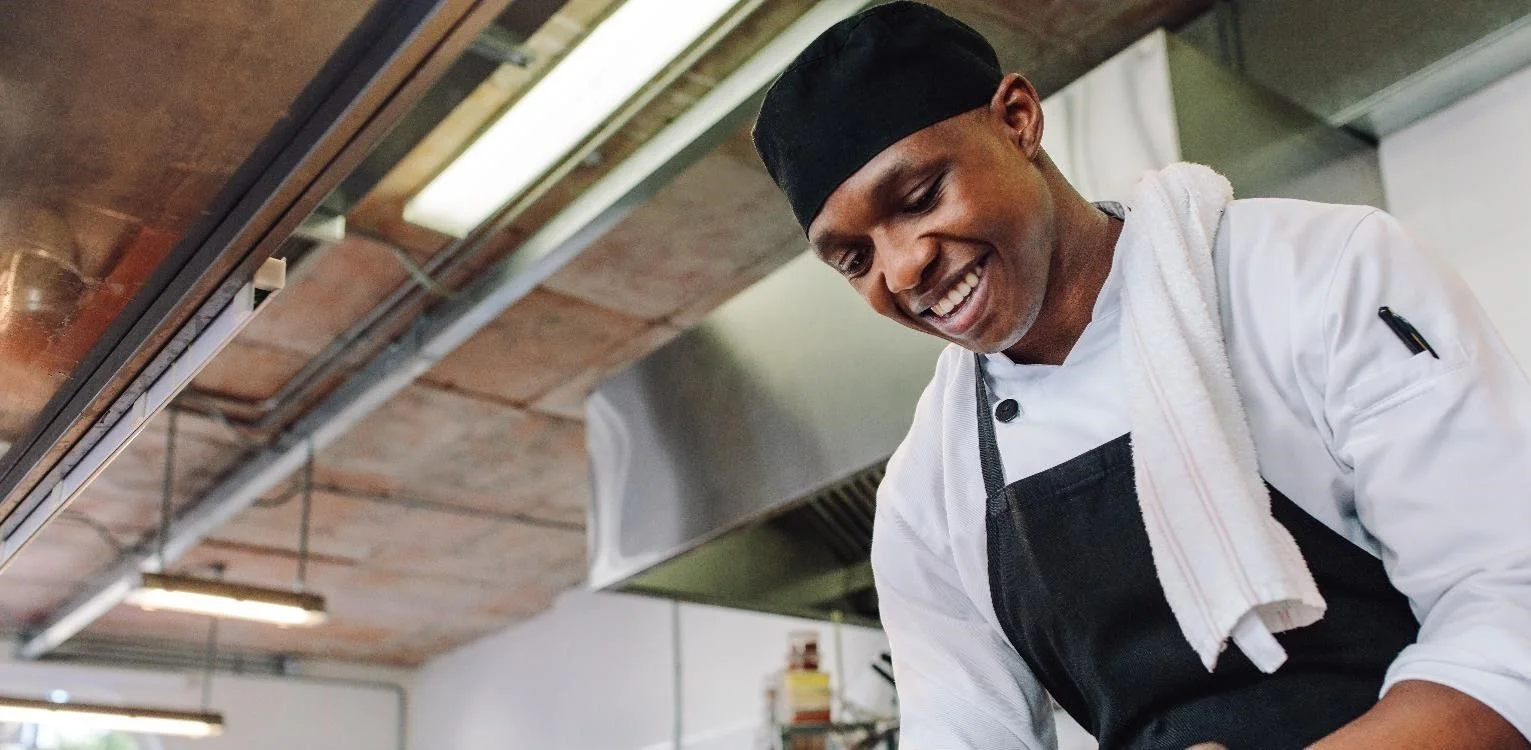
Chefs de Partie wear a professional Chef’s uniform, including a jacket, trousers, hat, and apron. Proper footwear ensures safety, while maintaining cleanliness and hygiene is essential.

Chefs de Partie wear a professional Chef’s uniform, including a jacket, trousers, hat, and apron. Proper footwear ensures safety, while maintaining cleanliness and hygiene is essential.
The role involves overseeing a specific kitchen station, preparing high-quality dishes, mentoring junior Chefs, and ensuring that health and safety standards are strictly followed.
Success in this role requires strong organisational skills and a keen eye for detail. Teamwork is also crucial, including building rapport, communicating effectively, and maintaining a calm demeanour under pressure. Experimenting with flavours and techniques during downtime can also enhance creativity and improve your contributions to menu development.
To excel as a Chef de Partie, a combination of qualifications, practical experience, and essential skills such as leadership and precision is critical.
Formal culinary training, such as an NVQ in professional cookery, is beneficial but not always mandatory, as many Chefs de Partie rise through the ranks by gaining hands-on experience. However, certifications in food safety and hygiene are essential for working in professional kitchens. Apprenticeships and internships in reputable restaurants can also provide the core knowledge and skills required for this role.
Key skills for a Chef de Partie include excellent time management, attention to detail, and the ability to stay calm under pressure. Strong leadership is necessary for managing junior staff, while creativity enhances menu contributions. Technical cooking skills, from knife work to mastering specific culinary techniques, are equally vital. The ability to communicate effectively ensures a cohesive team environment, fostering efficiency and collaboration.
Temp work provides valuable experience, allowing aspiring chefs to adapt to various kitchen environments and learn diverse techniques. It’s an opportunity to build confidence and enhance problem-solving skills in fast-paced settings. Many Chefs secure permanent positions after excelling in temporary roles, using the experience to network with industry professionals and showcase their capabilities. Temp work also allows chefs to explore different cuisines, helping them decide on a specialisation.
The responsibilities of a Chef de Partie revolve around managing their station, maintaining food quality, and collaborating with the kitchen team to deliver excellent dining experiences.
Each Chef de Partie oversees a specific station, such as fish, sauces, or pastry. They’re responsible for ingredient preparation, ensuring equipment is in working order, and maintaining cleanliness. They delegate tasks to junior Chefs while overseeing the preparation of dishes to meet high standards. Managing a station effectively requires thorough planning and a strong understanding of the station’s requirements, from recipes to timing.
Ensuring the consistency and quality of dishes is a primary responsibility. A Chef de Partie monitors portion sizes, presentation, and taste to meet the establishment’s standards. They also ensure that all ingredients are fresh and properly stored. This level of precision guarantees customer satisfaction and upholds the restaurant's reputation. Food preparation tasks often involve creativity, particularly when contributing to menu development or implementing seasonal ingredients.
Teamwork is vital in a busy kitchen. A Chef de Partie works closely with Sous Chefs, Head Chefs, and other Station Chefs to coordinate service efficiently. This includes clear communication during service, sharing updates about orders, and offering support when needed. A collaborative approach ensures that every part of the kitchen functions seamlessly, particularly during peak hours. Encouraging teamwork also fosters a positive work environment.
The responsibilities of a Chef de Partie revolve around managing their station, maintaining food quality, and collaborating with the kitchen team to deliver excellent dining experiences.
Each Chef de Partie oversees a specific station, such as fish, sauces, or pastry. They’re responsible for ingredient preparation, ensuring equipment is in working order, and maintaining cleanliness. They delegate tasks to junior Chefs while overseeing the preparation of dishes to meet high standards. Managing a station effectively requires thorough planning and a strong understanding of the station’s requirements, from recipes to timing.
Ensuring the consistency and quality of dishes is a primary responsibility. A Chef de Partie monitors portion sizes, presentation, and taste to meet the establishment’s standards. They also ensure that all ingredients are fresh and properly stored. This level of precision guarantees customer satisfaction and upholds the restaurant's reputation. Food preparation tasks often involve creativity, particularly when contributing to menu development or implementing seasonal ingredients.
Teamwork is vital in a busy kitchen. A Chef de Partie works closely with Sous Chefs, Head Chefs, and other Station Chefs to coordinate service efficiently. This includes clear communication during service, sharing updates about orders, and offering support when needed. A collaborative approach ensures that every part of the kitchen functions seamlessly, particularly during peak hours. Encouraging teamwork also fosters a positive work environment.
The culinary field is dynamic, requiring ongoing education to stay updated on trends and techniques. Attending workshops, enrolling in advanced cooking courses, and networking with other professionals can enhance your expertise. Exploring diverse cuisines and experimenting with innovative methods also broadens your culinary repertoire, as embracing lifelong learning and curiosity is essential for chefs aiming to excel in their career.
Ready to take the next step in your career? Explore our latest Chef de Partie jobs and apply today.
Becoming a Chef de Partie typically takes 2–5 years of experience, depending on the individual’s dedication, training, and prior experience in kitchen roles.
Formal qualifications are not always necessary, but certifications in food safety and culinary arts, such as NVQs, can provide an advantage when pursuing a Chef de Partie role.
Salaries vary, but generally range between £25,000 and £35,000 annually, depending on the establishment, location, and level of experience.
Yes, temporary Chef work often leads to permanent positions. It provides hands-on experience and networking opportunities, allowing Chefs to demonstrate their skills and adaptability.
A Chef de Partie manages a specific kitchen station, ensures food quality, trains junior Chefs, and collaborates with the team to deliver exceptional dishes.