Dress Code
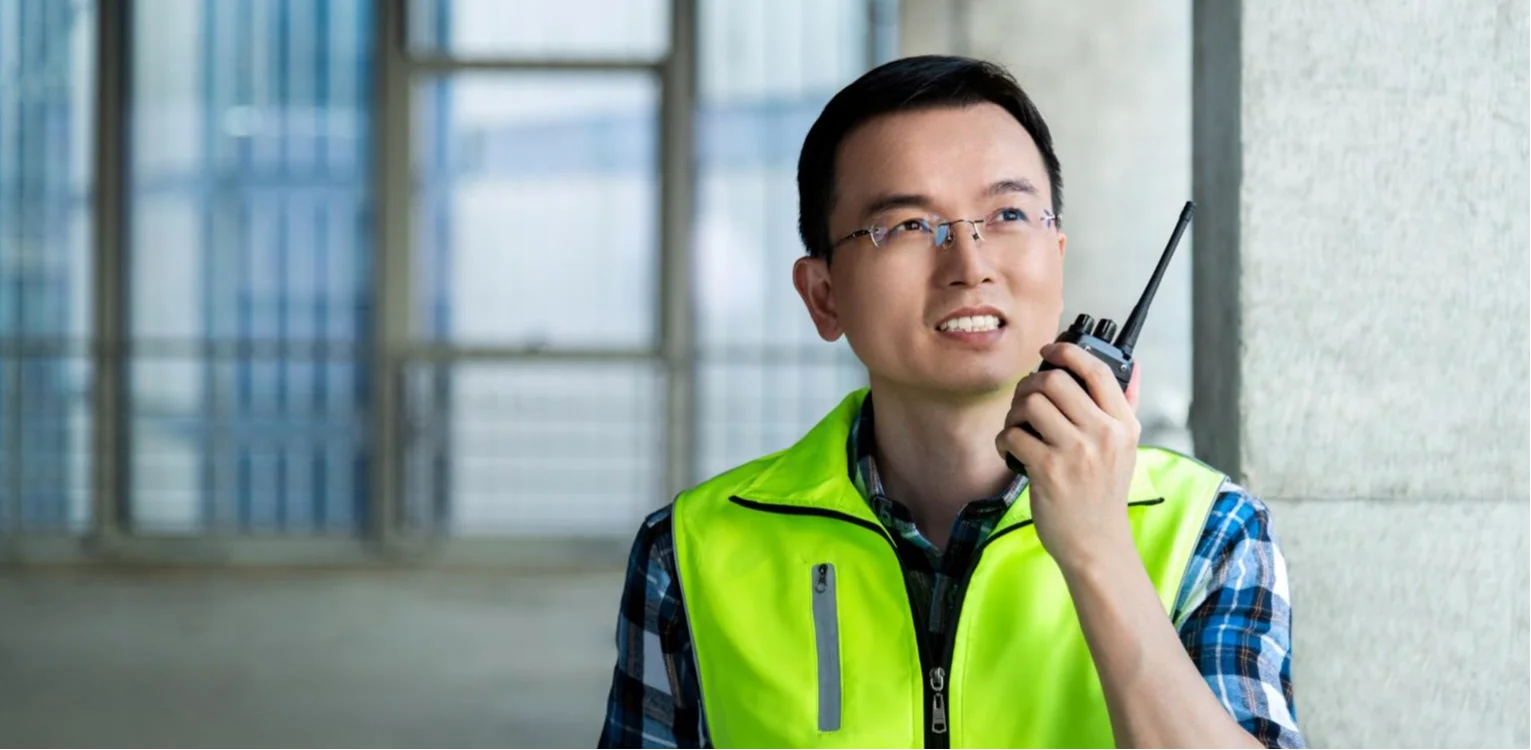
A uniform may be provided by an employer, otherwise, comfortable and durable clothes are recommended, such as collared shirts, work pants, and sturdy, non-slip shoes.

A uniform may be provided by an employer, otherwise, comfortable and durable clothes are recommended, such as collared shirts, work pants, and sturdy, non-slip shoes.
It is a Caretaker’s job to make sure a building is kept at a good standard of maintenance and is always secure. Caretakers are tasked with cleaning, minor repairs to fixtures and fittings and some supervisory tasks such as risk assessment.
It is important to be able to assess and prioritise tasks, if there is something that needs to be dealt with urgently then it is important to take the initiative.
All Caretakers should be able to recognise risks and handle them appropriately, whether that means performing minor repairs or organising contractors.
A Caretaker should have good communication and time management skills to be able to keep high safety standards.
A Caretaker should keep up to date with any health and safety regulations provided by the employer. It is also important to have practical skills such as painting and decorating and DIY skills as well as good time management and organisational skills.
There will often be maintenance needs within a building, even minor things such as refreshing chipped paint or reattaching a shelf. It is the job of a Caretaker to perform these jobs, and it is therefore important to have basic DIY and practical skills.
Many of these skills can be learned through skill training courses, but it is useful to have some confidence in these skills when applying for a Caretaker Role.
Being diligent and capable are assets to any employer seeking a Caretaker.
It is important to know how to prioritise, and when to perform tasks to keep a risk-free and safe environment. Organisational skills and time management play a huge role in this, as having the tools you need ready and knowing the best time to perform a task to avoid any safety risks is essential for a Caretaker.
Employers will be looking for capable Caretakers who know how to manage their time efficiently so that a business can run smoothly.
The buildings that a Caretaker takes charge of are usually frequently occupied by people. Health & Safety is crucial for Caretakers so that they can avoid any accidents.
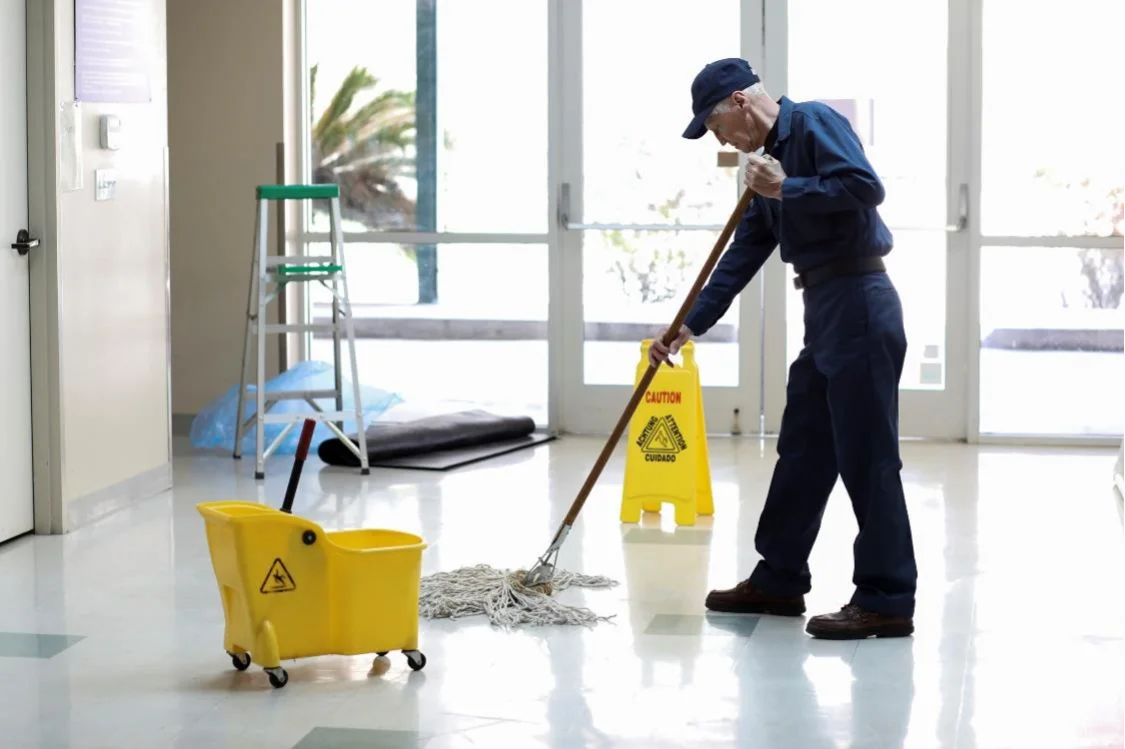
Keeping tools organised and stored securely, cleaning wet surfaces, lifting and handling heavy objects safely, and keeping access limited to relevant people are just a few of the safety protocols Caretakers should be diligent with.
All businesses will provide Health & Safety training to their Caretaker staff.
It is essential to keep on top of repair and maintenance work. Caretakers are usually responsible for large buildings or multiple buildings and will regularly need to record logs of maintenance activities and perform building inspections.
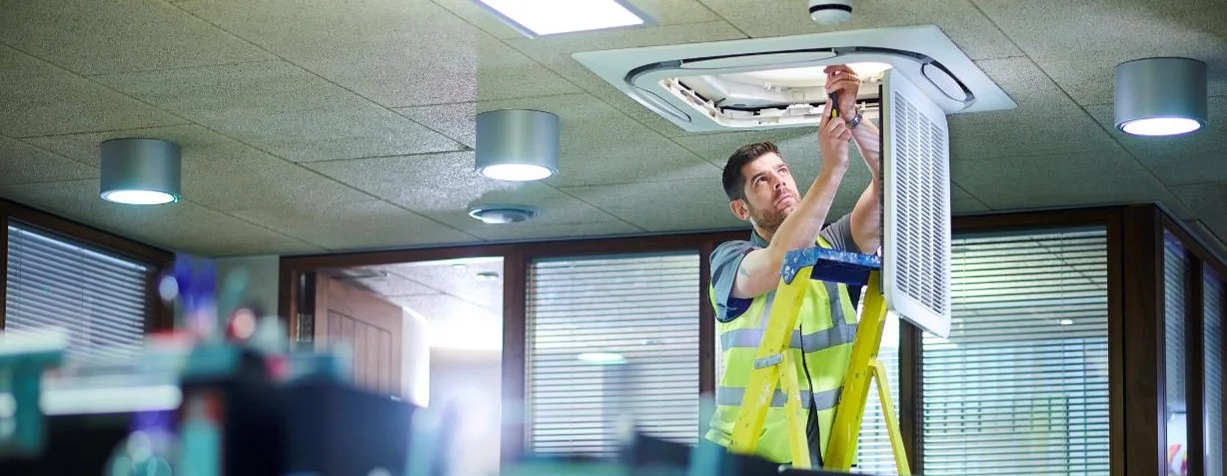
They are also required to carry out repair work such as changing lightbulbs, fixing minor leaks, fixing doors or addressing minor issues with heating and ventilation systems.
When something needs to be contracted to an outside company it is the Caretaker’s job to organise and supervise this.
As a Caretaker it is important to log and keep track of any cleaning supplies and tools that might be needed to keep the property clean and functional.
A Caretaker must check stock regularly, make sure the storage areas are properly organised to prevent damage or contamination and ensure easy access to the supplies. Caretakers will also be expected to understand which items it is appropriate to use when performing maintenance or cleaning duties
Resupplying and following the correct ordering procedures is also an essential Caretaker duty.
Caretakers are essential to any business, especially hospitals, schools and universities, hotels and shopping centres. These roles can be demanding as facility maintenance and cleanliness must be always kept to a high standard.
Moving into these specialised areas will require experience and confidence in the required skills.
Before moving on to this kind of demanding work, make sure you have relevant qualifications or work on achieving certification in facilities services, support work and cleaning and support service skills.
Yes, often Caretaker work requires lifting heavy objects, using ladders to access high places for cleaning and maintenance, and manual labour tasks such as cleaning floors or shovelling snow.
Caretakers earn around £25,000-£35,000 per year on average. Salaries vary between location, experience and business.
A Caretaker’s role is the upkeep and maintenance of a building or buildings within a premises. They are responsible for security, cleaning and minor repairs.